
Project TYO: A Long-Term Commitment to Tokyo’s Hip-Hop Culture, Community, and History
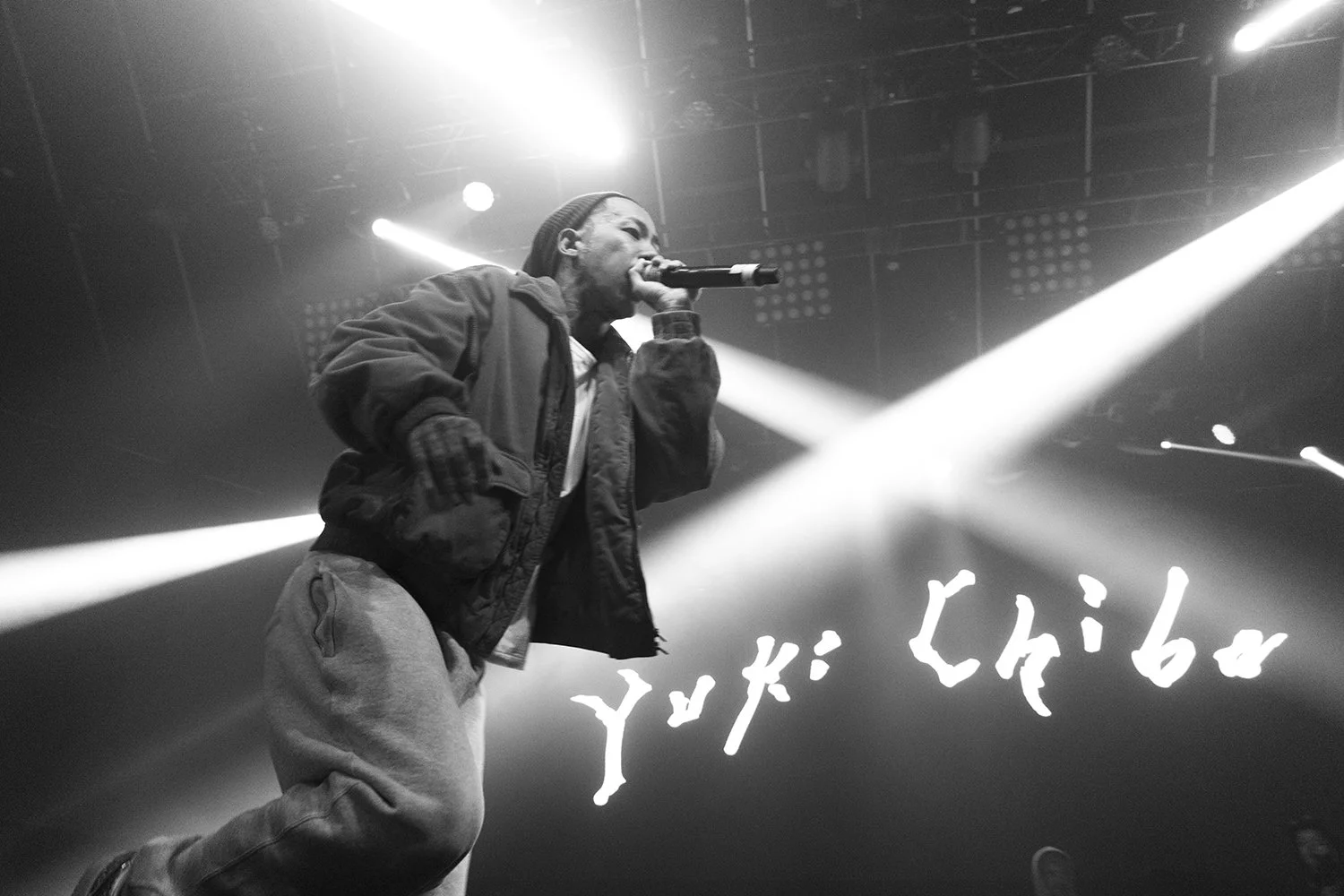
Recording Artist: Yuki Chiba, Location: Rebel, Toronto, Ontario, Canada, Year: 2025; Photographer: Ajani Charles
Approximately a 7-minute read.
Outline
Closure, Reflection, and International Expansion
Why Tokyo, and Why Now
What the Public Rarely Sees Behind the Work
Transnational History and Cultural Transmission
Innovation, Infrastructure, and Long-Term Commitment
Closure, Reflection, and International Expansion
Project TYO is a long-term documentary, archival, and public scholarship initiative dedicated to documenting, preserving, and interpreting the hip-hop culture, community, and history of the Greater Tokyo Area, which I began documenting in July 2025.
Project TYO is the international expansion of a documentary methodology I have been refining for nearly two decades through its Greater Toronto Area equivalent, Project T-Dot.
I chose the title Project TYO deliberately, noting that TYO is the IATA airport code for the Tokyo metropolitan area, as this work operates at a metropolitan scale rather than at the level of trend, moment, or export commodity.
As with my previous work, I approach hip-hop as a coherent cultural system, encompassing music, dance, visual art, fashion, language, entrepreneurship, and social infrastructure, rather than as a fragmented collection of aesthetics or entertainment cycles.
Project TYO existed as a concept long before I formally named it in February 2026, and I had begun embedding myself in Tokyo’s cultural ecosystem months earlier, allowing the work to take shape through sustained fieldwork before branding it.
From the outset, my intention was not to produce a short-term exploration of Tokyo, but to initiate a long-term commitment that could evolve over years and decades, grounded in respect and curiosity; I have thousands of hours of work ahead of me.
Producer, DJ: Shane Lee Lindstrom, professionally known as Murda Beatz, Recording Artist: Yuki Chiba, Recording Artist: Jake Yoon, professionally known as Jin Dogg, DJ: Sinatra, Location: 1 OAK Tokyo, Tokyo, Japan, Year: 2025, Camera Operator: Ajani Charles
Why Tokyo, and Why Now
The project formally crystallized at approximately 3:00 PM JPT on Friday, July 4, 2025, through a text message conversation with fellow Canadian Shane Lindstrom, professionally known as Murda Beatz, the Grammy Award–winning producer, songwriter, and international touring DJ recognized for shaping contemporary global hip-hop sound.
Although I did not personally know Murda Beatz before messaging him while we were both in Tokyo last summer during my first trip to Japan, he added me to his guest list, granted me media access for his performance with Yuki Chiba at Nippon Budokan, one of Japan’s largest and most celebrated music venues, and arranged for me to document the official after-party at 1 OAK Tokyo when I could not attend the concert itself.
I began shooting Project TYO at approximately 1:00 AM JPT on July 5, 2025, marking the project’s first formal fieldwork within Tokyo’s hip-hop ecosystem.
The first members of Tokyo’s hip-hop scene I encountered and documented were DJ Chari, DJ Sinatra, Jin Dogg, Yuki Chiba, and several others, with Yuki Chiba becoming the first individual from Tokyo’s hip-hop community whom I personally met and photographed in a portrait.
Tokyo is my favourite city, and my curiosity about its hip-hop ecosystem long preceded this project.
Project TYO allows me to navigate that ecosystem deliberately, positioning myself as both a documentarian and a student within a culture that is globally connected yet linguistically and historically distinct.
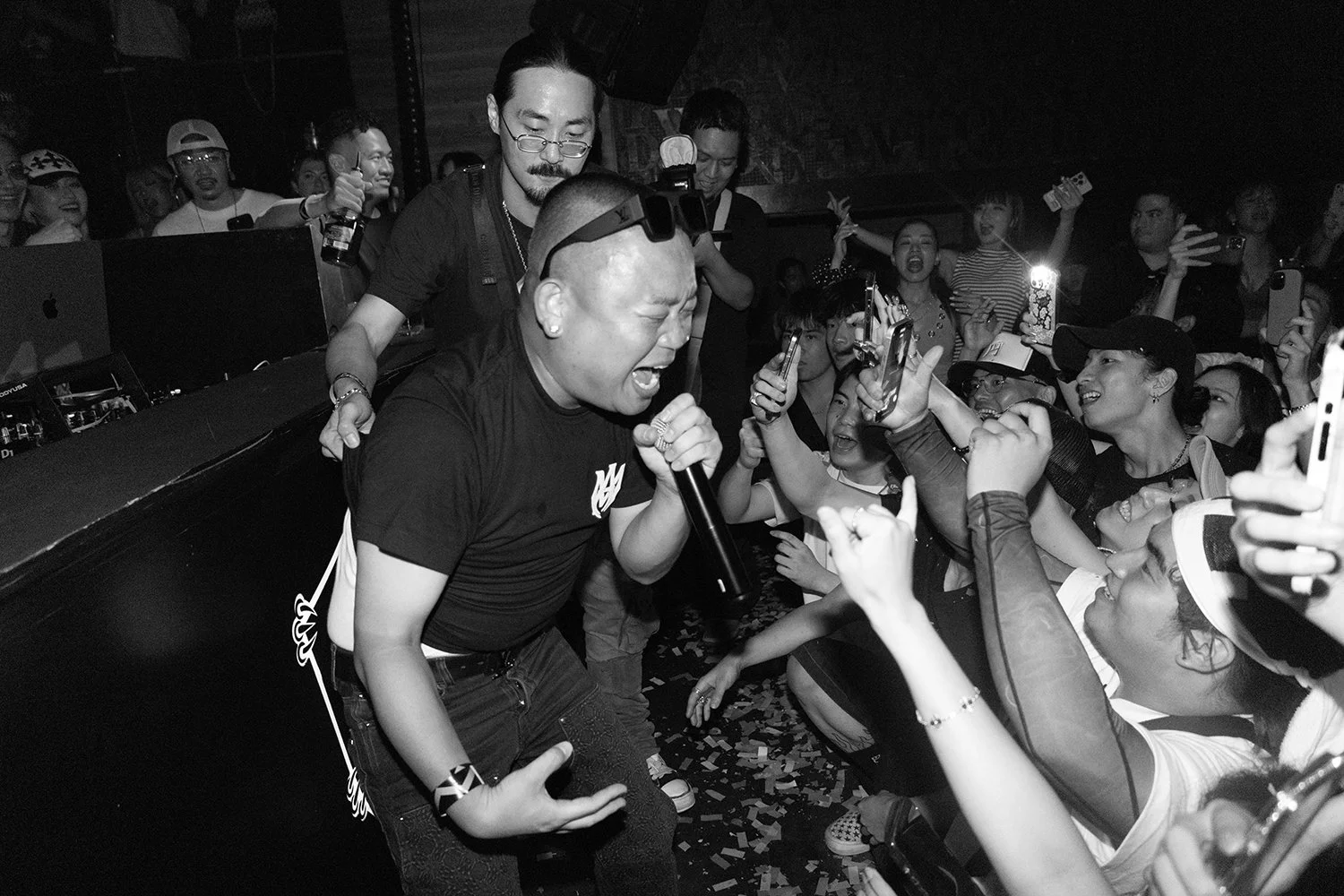
DJ, Producer, Recording Artist: DJ Chari, Recording Artist: Jake Yoon, professionally known as Jin Dogg, Location: 1 OAK Tokyo, Tokyo, Japan, Year: 2025, Photographer: Ajani Charles
What the Public Rarely Sees Behind the Work
I present the work in black and white as both an aesthetic and a conceptual choice, removing distractions to highlight presence, labour, texture, and historical continuity in Tokyo’s hip-hop culture and wider environment. Black and white is also nostalgic to me.
Project TYO covers artists, producers, DJs, dancers, graffiti writers, designers, executives, promoters, venue operators, collectives, youth initiatives, corporate stakeholders, and far more, because hip-hop transcends music and operates as cultural infrastructure.
Eventually, the public will see photographs, films, and exhibitions based on Project TYO, and I also plan on documenting the embedded fieldwork, the listening, and the relationship-building required to document a scene responsibly.
Long-term documentation over many years and decades demands patience, humility, and sustained presence; it cannot be rushed without sacrificing depth, particularly in the context of Project TYO, as I am entering Tokyo’s hip-hop ecosystem as a foreigner still learning to navigate the city, the language, and Japanese culture at a ground level.
The project is being constructed as a living archive rather than a collection of isolated highlights.
It is designed to evolve as Tokyo’s hip-hop ecosystem evolves, adapting to generational shifts and structural transformations over time.
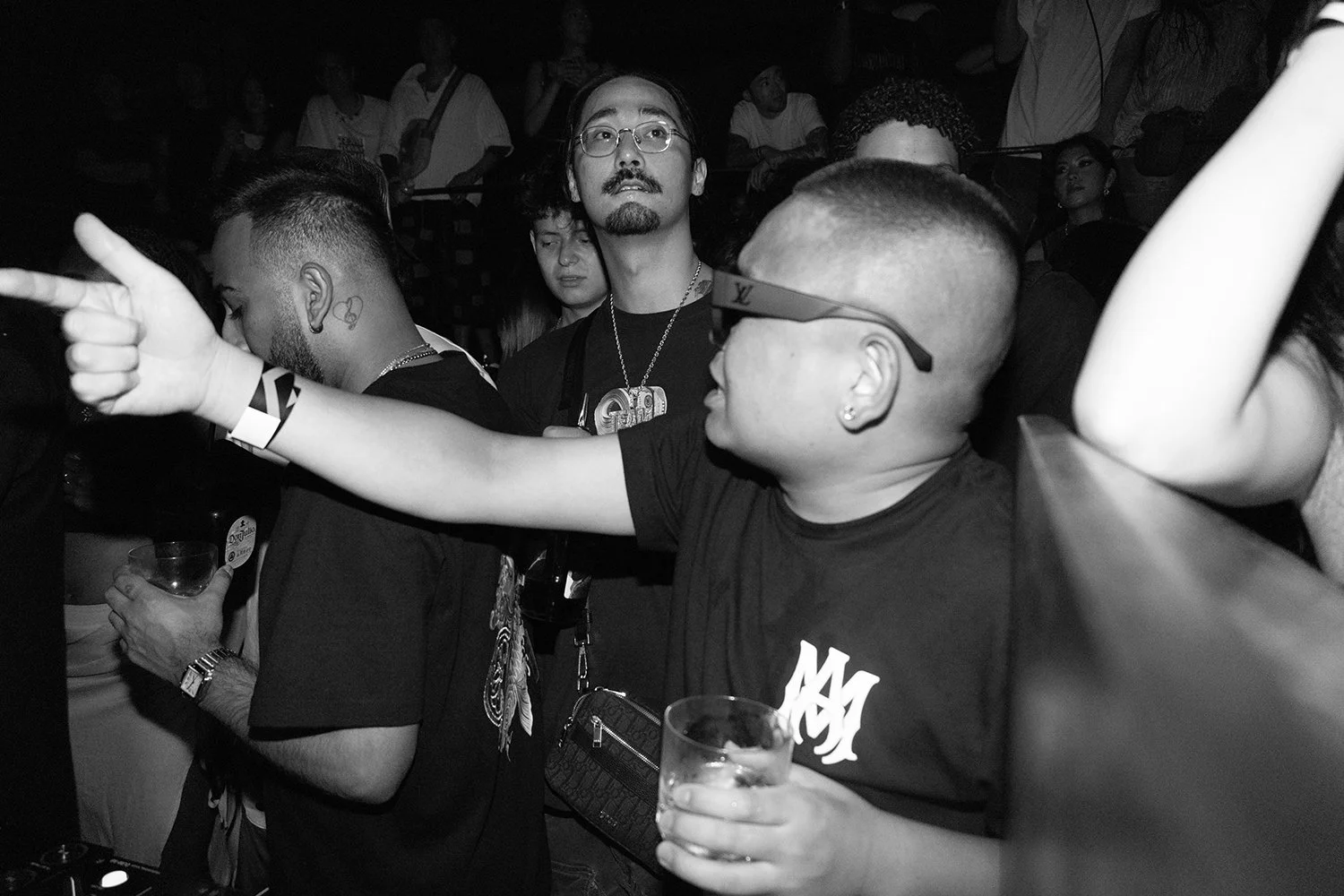
DJ, Producer, Recording Artist: DJ Chari, Recording Artist: Jake Yoon, professionally known as Jin Dogg, Location: 1 OAK Tokyo, Tokyo, Japan, Year: 2025, Photographer: Ajani Charles
Transnational History and Cultural Transmission
Project TYO situates Tokyo’s hip-hop culture within a transnational history, tracing how hip-hop arrived in Japan through exchanges with the United States in the late 1970s and early 1980s, particularly through dance crews, DJs, imported records, fashion, and film.
By adapting imported street culture for the Japanese landscape, Hiroshi Fujiwara, DJ Krush, and Crazy-A laid the foundation for a hip-hop identity unique to Tokyo.
The 1983 classic American film Wild Style served as a catalytic cultural artifact in Japan, presenting graffiti writing, MCing, DJing, and breakdancing as an integrated movement rather than isolated practices.
American military bases in regions such as Yokosuka and Yokota also functioned as conduits for records, mixtapes, fashion, and embodied performance practices, embedding hip-hop within Japan’s broader geopolitical landscape.
Tokyo did not merely replicate American hip-hop; it hybridized and transformed it.
Project TYO examines how that transformation produced a distinctly Tokyo iteration of hip-hop that remains globally connected yet unmistakably local.
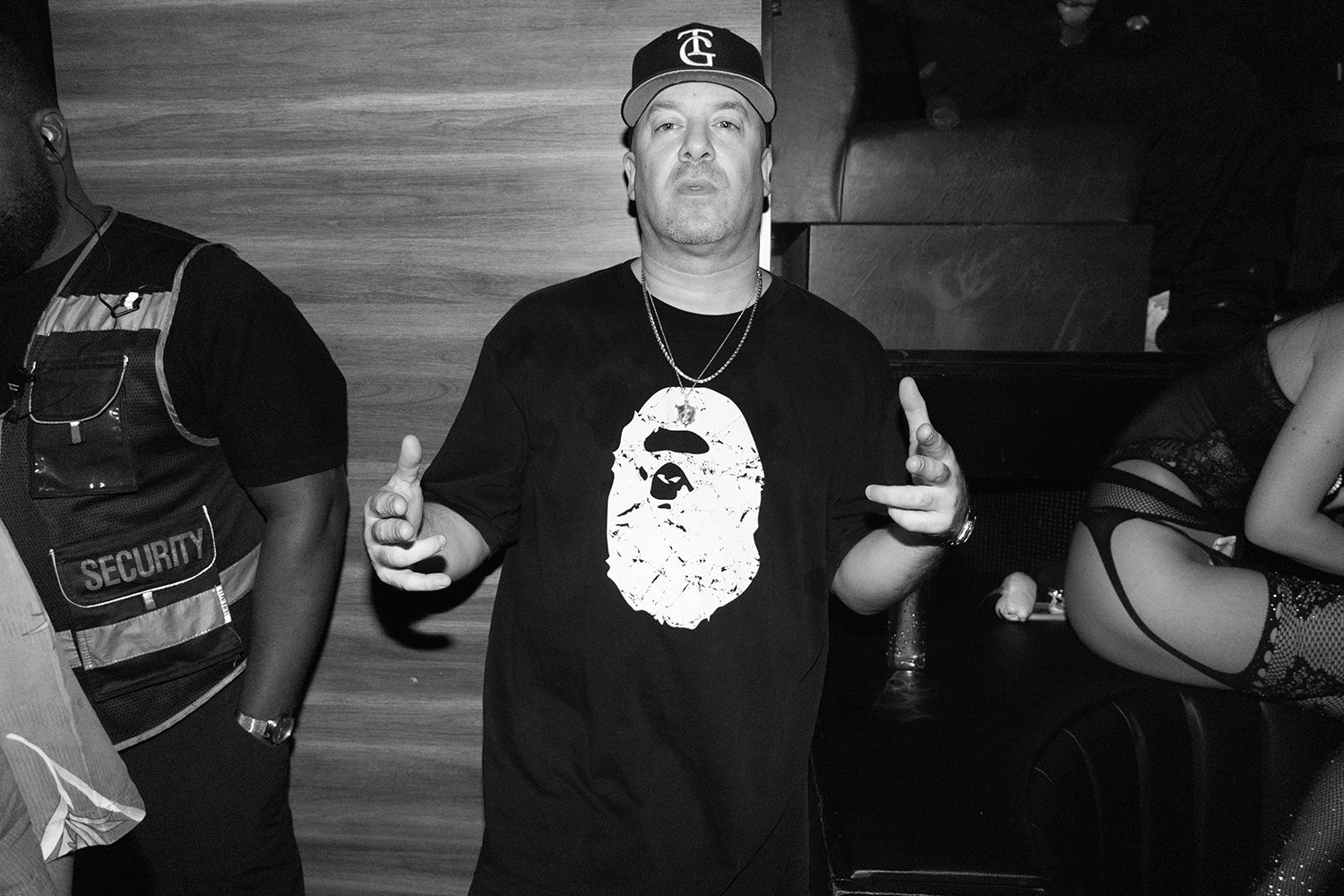
DJ: Sinatra, Location: 1 OAK Tokyo, Tokyo, Japan, Year: 2025, Photographer: Ajani Charles
Innovation, Infrastructure, and Long-Term Commitment
Project TYO will manifest through large-scale public exhibitions in civic and infrastructural spaces, interactive digital databases, documentary films and short-form cinematic works, long-form essays, and a comprehensive coffee table book designed as a lasting print archive.
These outputs are intentionally interconnected and designed to ensure intergenerational transmission rather than temporary visibility.
My confidence in executing Project TYO is grounded in nearly two decades of sustained documentary practice through Project T-Dot, as previously mentioned.
Project T-Dot evolved from long-form fieldwork into museum-grade civic exhibitions at Toronto City Hall & Nathan Phillips Square (2022) and Billy Bishop Toronto City Airport (2024 — 2025), generated millions of physical impressions, and expanded into a citywide digital screen campaign with PATTISON Outdoor Advertising that produced over 100 million views (during the summer of 2024).
Project TYO expands that proven long-term approach internationally, bringing a tested model of civic-scale hip-hop documentation from Canada’s largest city to the Greater Tokyo Area, one of the world’s largest metropolitan regions.
Learning how to speak, read, write, and understand Japanese while navigating the Greater Tokyo Area’s hip-hop ecosystem will be incredibly challenging; there will be frustrations and setbacks, so be it, as I am committed to the process.
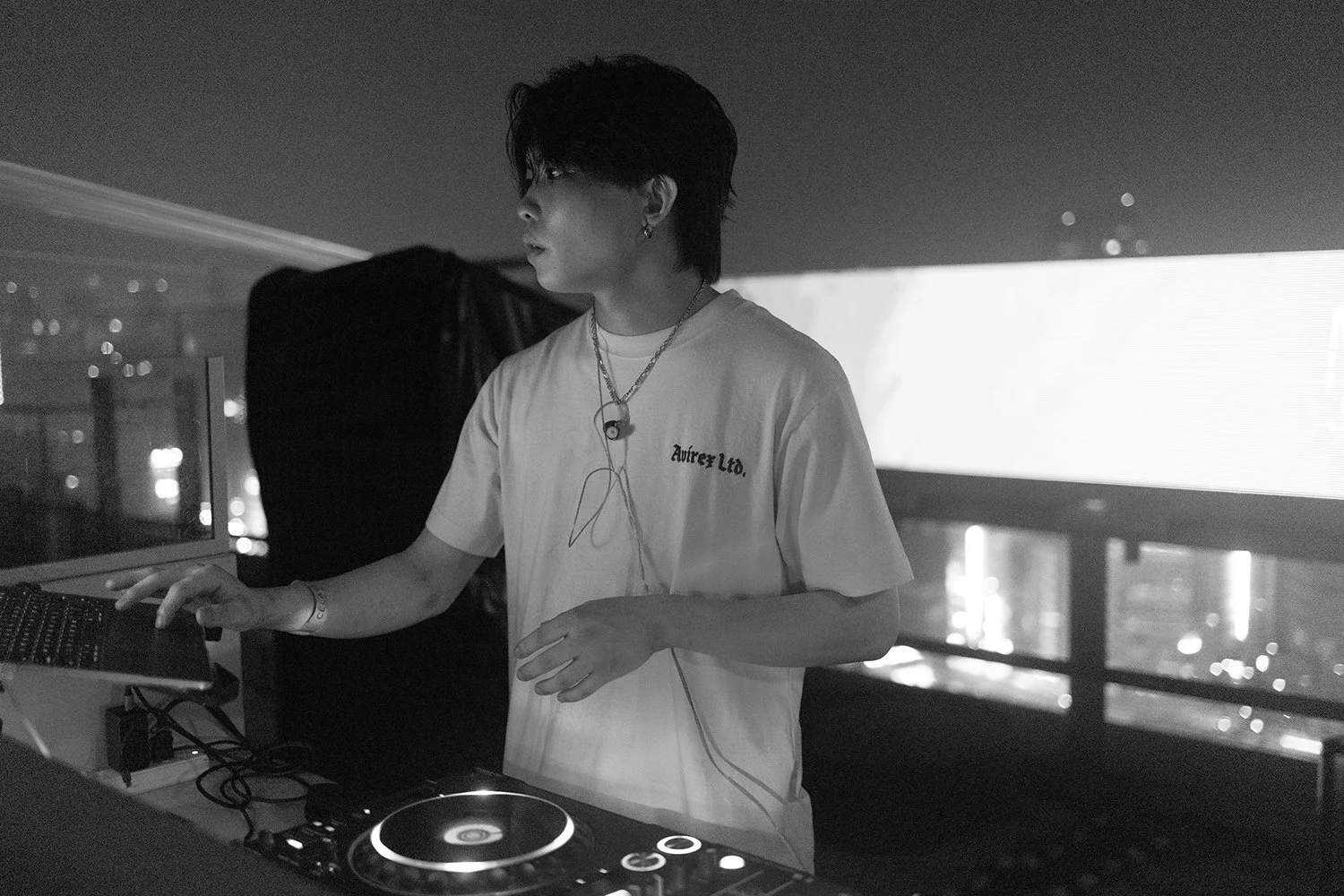
DJ: Yen, Location: CÉ LA VI TOKYO, Tokyo, Japan, Year: 2025, Photograher: Ajani Charles
And if I was able to embed myself within and document the Greater Toronto Area’s hip-hop culture over nearly two decades, I can do it again in Tokyo, regardless of how long or arduous the journey may be.
