
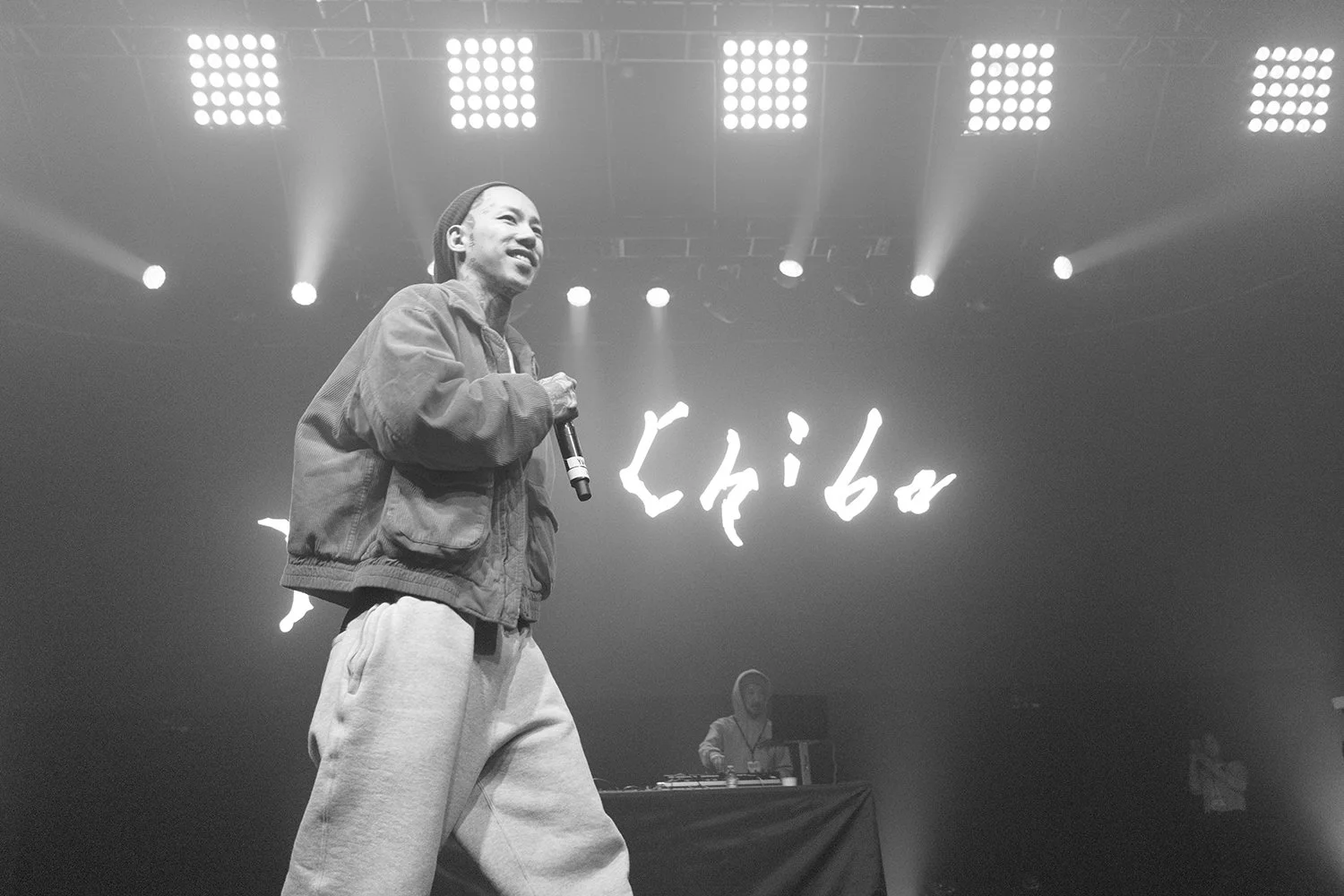
Recording Artist: Yuki Chiba, Location: Rebel, Toronto, Ontario, Canada, Year: 2025; Photographer: Ajani Charles
Approximately an 11-minute read.
Outline
The Beginning of an Extraordinary Journey
Why Black and White
An Unfathomably Vast Hip-Hop Community
An Inspiring Summer of Hip-Hop
The Economics and Social Realities of Tokyo Hip-Hop
Documenting Tokyo's Hip-Hop Culture, Community, and History
Connecting the Dots Across Cultures
The Beginning of an Extraordinary Journey
One of the most exciting, fun, and fulfilling aspects of my second trip to Japan last summer, which involved me spending the vast majority of the summer in a country I greatly cherish and admire, was producing and photographing Project TYO, my long-term documentary project exploring the Greater Tokyo Area's hip-hop culture, community, and history.
To an outside observer unfamiliar with me, my work, my capabilities, and my ambitions, it may have seemed like an impossible, or perhaps irrational, task to fly to Japan for the first time on July 1, 2025, without a single Japanese contact, without any leads, and with severely limited Japanese language skills, and somehow, seemingly against all odds, begin navigating and documenting the Greater Tokyo Area's hip-hop scene, among other ambitious goals.
However, not only did that process begin with me meeting, documenting, and photographing Yuki Chiba, arguably Japan's most popular rapper and the first Japanese rapper I had ever met, within 48 hours of landing in Japan for the first time, but my progress documenting Tokyo hip-hop has been far greater and considerably faster than I could have anticipated over a year ago, especially as of the summer of 2026. I have learned and documented an enormous amount within a relatively short period.
Of course, I have nearly twenty years of experience documenting hip-hop culture globally. Project TYO follows the same format as Project T-Dot, my nearly twenty-year documentary project exploring the Greater Toronto Area's hip-hop culture, community, and history, so technically I was not starting from scratch. I had, and still have, enormous social and professional capital in documenting hip-hop culture worldwide, including some of the most famous names in hip-hop.
My past experiences give me complete confidence in my ability to continue producing and photographing Project TYO for years and decades to come. And my love for Japanese culture and society, despite the challenges and downsides that exist in Japan, as challenges and downsides exist in every other country, and my love for hip-hop culture as a whole further reinforce my dedication to the project and the communities it documents.
After a year of listening to Japanese rap daily for the last 16 months, I also use Japanese rap to help me learn Japanese, alongside other learning methods, including lessons with my private Japanese tutor, Seiko, who lives approximately 45 minutes from Shibuya Station; learning the language is not merely a professional necessity for me, but another fascinating means of developing a deeper understanding of Japanese culture, history, identity, and the extraordinary people I encounter.

Recording Artist, Producer: NENE, Location: Circus Tokyo, Tokyo, Japan, Year: 2026, Photographer: Ajani Charles
Why Black and White
At its core, Project TYO consists of black-and-white photography, complemented by forthcoming long-form interviews, essays, video clips, short films, full-length films, coffee table books, private art exhibits, public art exhibits, and other forms of documentary production, cultural preservation, and creative expression.
I chose black and white both to influence how viewers understand the photographs and as an aesthetic preference, since I first learned photography by shooting and developing black-and-white film, and I have long associated black-and-white photography with nostalgia, history, and the passage of time.
By working in black and white, Project TYO emphasizes people, their relationships, their environments, and the emotional and cultural dimensions of their lives, while suggesting historical depth and minimizing the visual distractions that colour can sometimes introduce.
I also want the photographs to represent more than the periods in which they were shot, creating an archive that feels simultaneously contemporary and historical and can be appreciated, interpreted, and contextualized by future generations.
Globally, especially for people unfamiliar with hip-hop culture, hip-hop is often interpreted through simplistic, black-and-white judgments that overlook the culture’s incredible complexity, diverse elements, contradictions, historical development, and the motivations, circumstances, and experiences of the people who shape and direct it.
By editing Project TYO in black-and-white photography, I deliberately use this visual contrast to challenge binary thinking, inviting viewers to look beyond surface appearances and recognize the many shades of grey within Tokyo’s hip-hop culture.
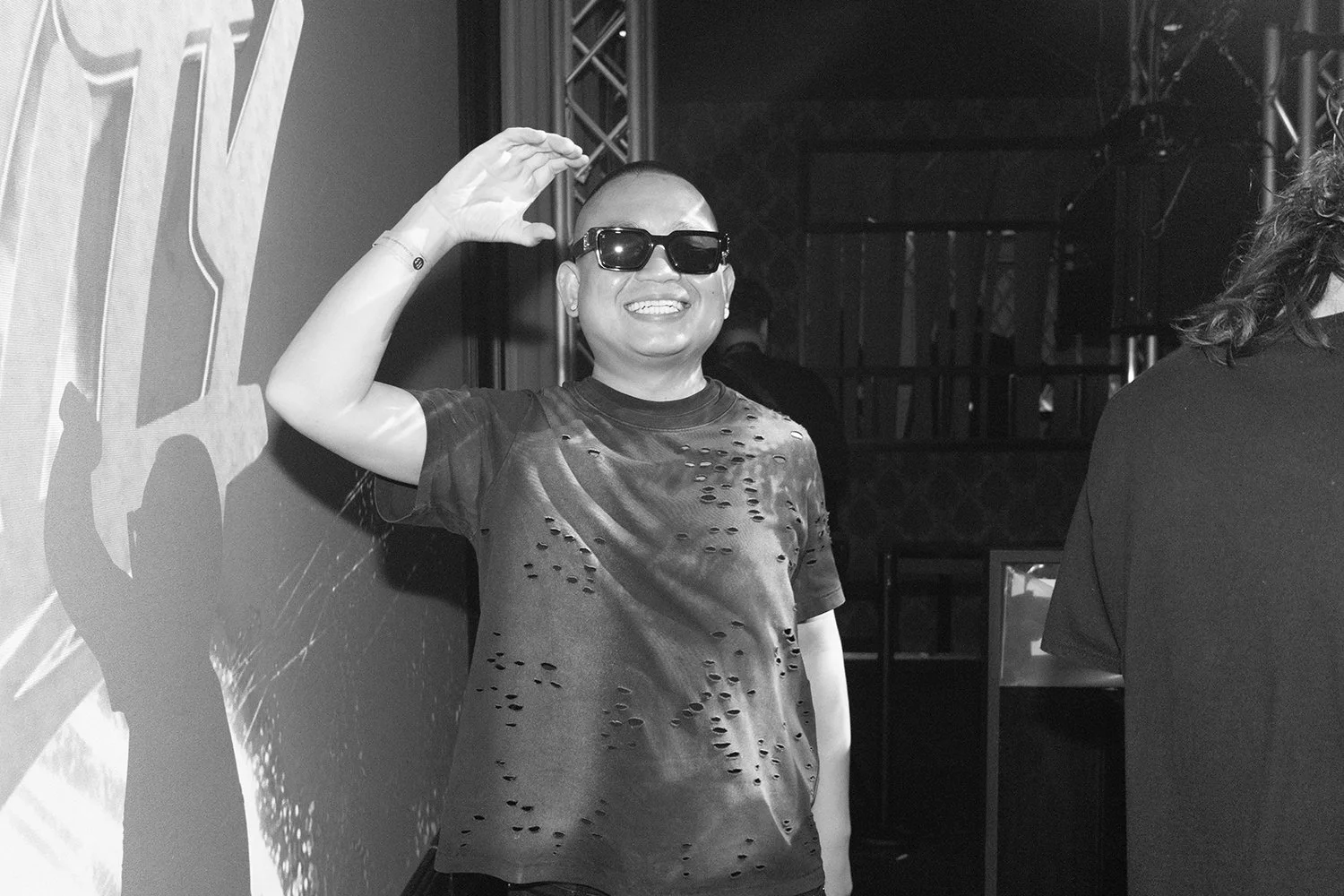
Recording Artist, Producer, DJ: DJ CHARI, Location: R3 Club Lounge, Tokyo, Japan, Year: 2026, Photographer: Ajani Charles
An Unfathomably Vast Hip-Hop Community
As for Project TYO and my other Japanese documentary projects, I have an enormous amount of ground to cover, literally and figuratively, particularly when considering the extraordinary geographical scale, population, and creative activity of the Greater Tokyo Area.
When comparing continuously developed urban areas, Tokyo–Yokohama's built-up area is approximately 8,775 km², making it the world's fifth-largest by land area, according to Demographia's 2025 assessment.
Under the UN's updated criteria, introduced in November 2025, Tokyo is no longer the world's most populous city; it fell from first, when I initially visited Japan in 2025 under the previous ranking system, to third, behind Jakarta and Dhaka. The Greater Tokyo Area has an estimated population of about 33.4 million in 2025; the change primarily reflects a new standardized approach to measuring urban populations rather than a sudden demographic shift, although Japan's rapidly declining birthrate and aging population present tremendous long-term challenges.
Last summer, when I met photographer and journalist Atsuko Tanaka over lunch in Shibuya before our photo shoot for Project TYO, among several interesting and interrelated subjects, she told me that there are now so many rappers throughout the Greater Tokyo Area that it is virtually impossible for her, or anyone else, for that matter, to keep up with all of them, including their names, discographies, creative activities, and professional developments.
About a week later, after nearly an hour of meditation at the magnificent Rikugien Gardens, I met famed grill designer and entrepreneur Tetsuya Akiyama at his GRILLZ JEWELZ store in Taito City. He echoed Atsuko Tanaka's sentiments about the sheer volume of rappers operating throughout the Greater Tokyo Area, reinforcing my understanding of just how vast and dynamic the city's hip-hop community has become.
And rap is only one element of hip-hop culture, which traditionally consists of four or five core elements. However, expanded interpretations recognize nine to eleven, not to mention the enormous range of creative, technical, entrepreneurial, administrative, and other professional roles throughout the Greater Tokyo Area's hip-hop ecosystem that have little or nothing to do with music or participating directly in Japan's vast music industry.
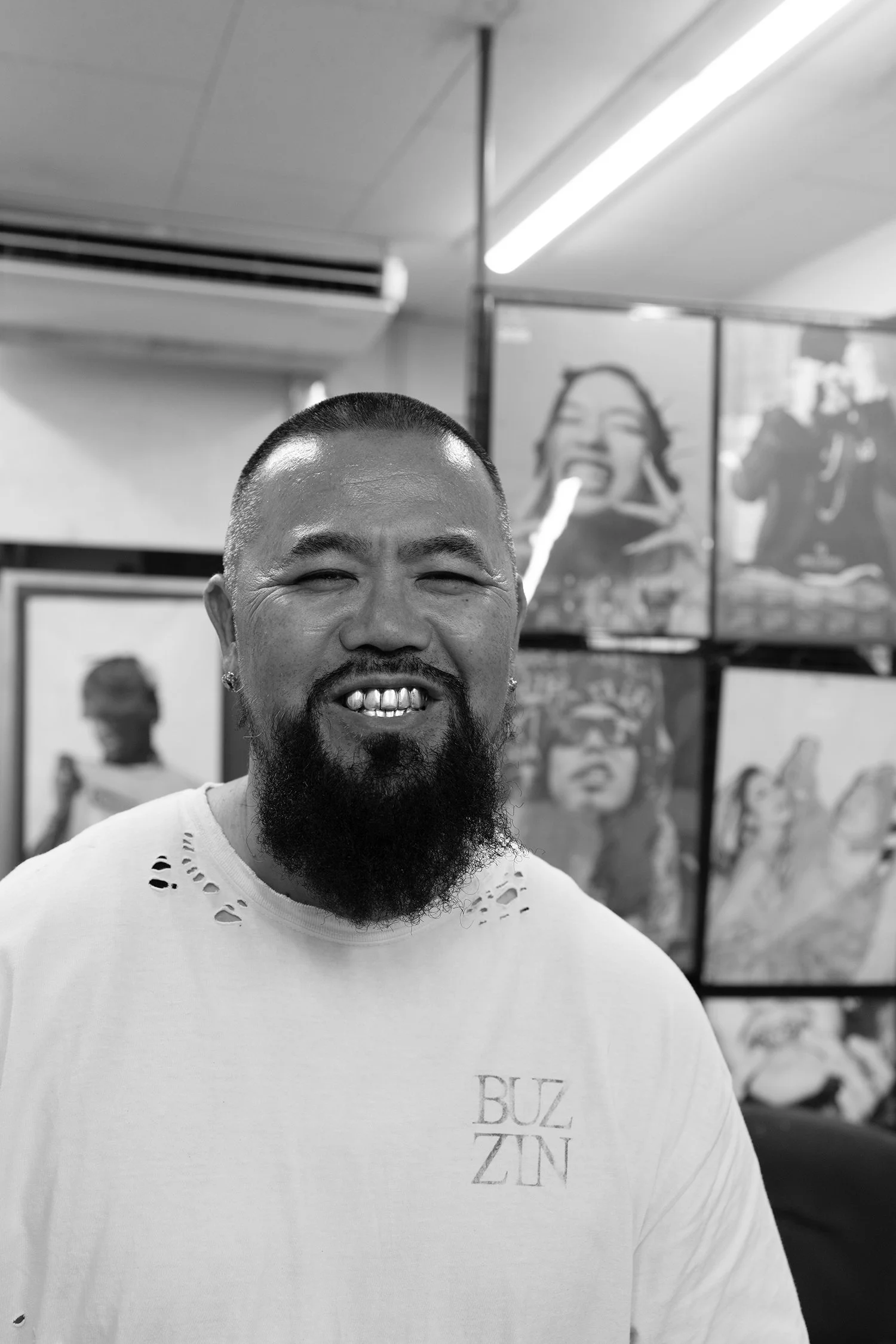
Jewellery Designer, Entrepreneur: Tetsuya Akiyama, Location: GRILLZ JEWELZ, Tokyo, Japan, Year: 2026, Photographer: Ajani Charles
An Inspiring Summer of Hip-Hop
I have many cherished memories of producing and photographing Project TYO during the summer of 2026, including beginning my recent summer in Japan by meeting and documenting one of my favourite Japanese rappers, NENE, at Circus Tokyo in Shibuya, an extraordinary experience considering that I had been listening to her music from my balcony in downtown Toronto less than a day earlier.
Another outstanding experience was documenting ONE UNITY Volume 5, a hip-hop showcase featuring many of my favourite Japanese rappers and DJs at R3 Club Lounge in Roppongi, which became the most fun party I had attended anywhere throughout 2026, and an experience that reinforced how extraordinary Tokyo's nightlife can be, especially when the people, music, environment, and energy align so remarkably.
I also thoroughly enjoyed hanging out with and documenting Cz TIGER and BigDollarDoll, also known as $ugar, at Cz TIGER's home studio, where I was able to observe and photograph them in a considerably more intimate and personal environment than the nightclubs, concerts, and other public spaces where I frequently encounter recording artists.
Another highlight involved spending hours documenting one of my favourite dance crews in Japan, THE SPC BOYS CLUB, in Shibuya, where I observed firsthand the extraordinary amount of repetition, discipline, physical coordination, creative experimentation, and hard work involved in developing their choreography and producing the viral dances that have helped them build an international audience.
Conducting a photo shoot with BigDollarDoll, also known as $ugar, at Madam Woo Tokyo was another great experience, because the venue was visually stimulating and because I increasingly enjoy documenting Japanese hip-hop culture across different environments, from recording studios, performance venues, and nightclubs to the more intimate spaces where artists develop their identities, relationships, and creative work.
Meeting and documenting DMC World Champion DJ Kentaro on the set of a WIND AND SEA commercial was very inspiring, and making my first appearance on Japanese radio and discussing Project TYO via J-WAVE’s TOKYO BEATS FOUNDATION on my last night in Japan was also remarkable; what an amazing way to end my trip.
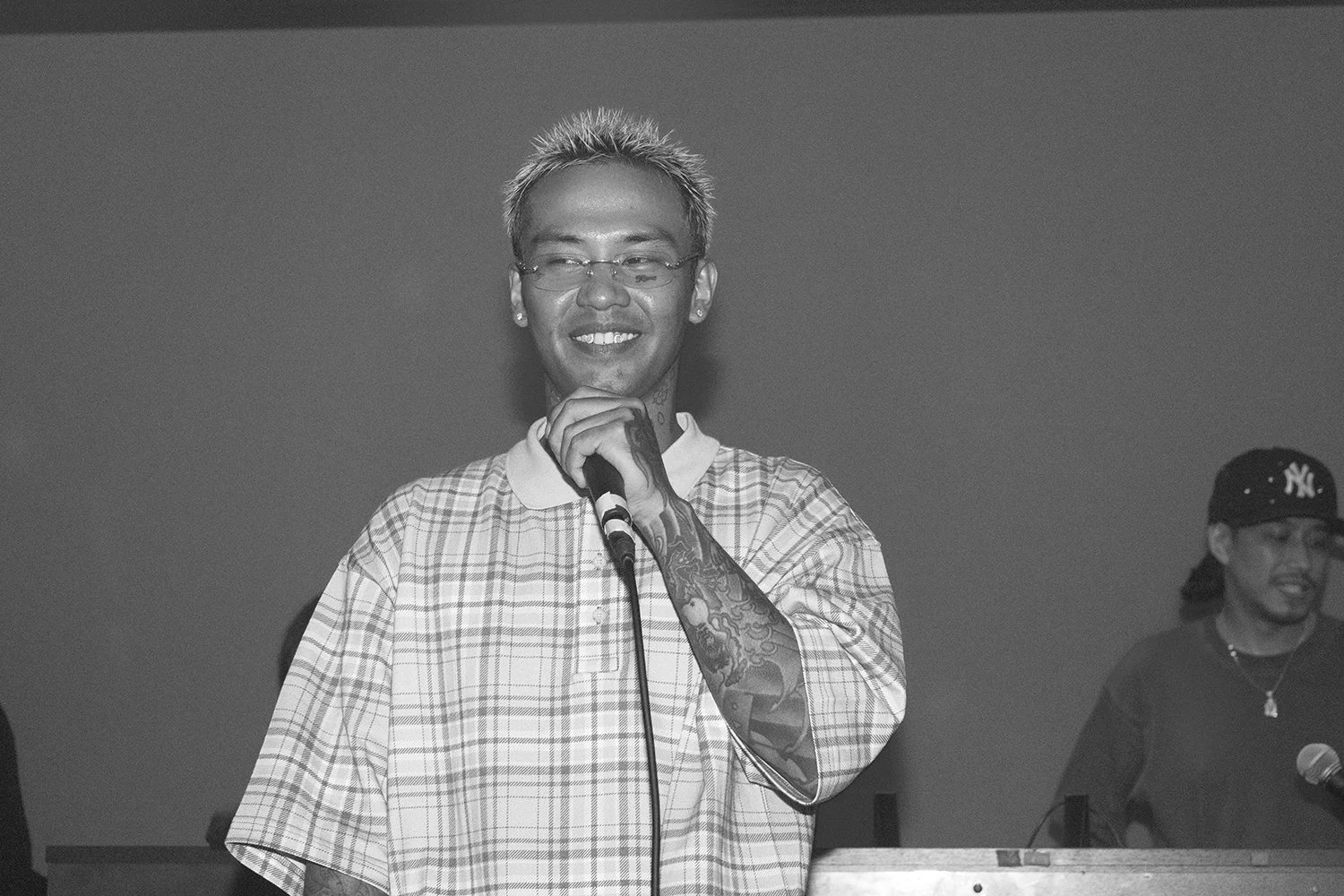
Recording Artist: MonyHorse, Location: R3 Club Lounge, Tokyo, Japan, Year: 2026, Photographer: Ajani Charles
Beyond these encounters, one of the most fulfilling aspects of producing Project TYO has been discovering how rapidly individual relationships, introductions, conversations, and collaborations can evolve into entirely new opportunities, providing access to fascinating and inspiring people and environments while allowing me to further understand the creative communities and cultural networks that sustain Tokyo's hip-hop scene.
The Economics and Social Realities of Tokyo Hip-Hop
One of the most interesting aspects of documenting Tokyo’s hip-hop ecosystem has been developing a more nuanced understanding of the socioeconomic realities Japanese rappers and other hip-hop professionals face, particularly in a country with the world's fourth-largest economy, extraordinary cultural influence, and a remarkably sophisticated creative sector.
Yet despite Tokyo and Japan’s many upsides, Japan continues to struggle with relatively low wages compared with many other G7 countries, a weakened yen, and longstanding economic challenges that complicate financial independence and professional development.
Japan's weak yen is particularly interesting in this context because, while it can make Japan more affordable for international visitors and certain foreign businesses, it also diminishes the international purchasing power of Japanese earnings, potentially making imported equipment, overseas travel, international collaborations, and other expenses denominated in foreign currencies considerably more expensive for artists. Domestic pressures from inflation (historically rare in Japan), comparatively modest wages, and Tokyo's cost of living further complicate the financial circumstances of many people across Tokyo’s hip-hop world.
I have also learned about a fascinating and sometimes financially unforgiving feature of Japan's live music industry known as noruma, a ticket-sales quota system used by certain live music venues and event promoters, particularly within smaller live-house and multi-artist performance circuits, under which performing artists are responsible for selling an agreed number of tickets and may have to cover the financial shortfall themselves if they fail to meet their quota. However, these arrangements vary considerably and do not apply to all rappers or performances; they demonstrate how much of the financial risk associated with live entertainment can fall directly on emerging artists.
Consequently, performing live does not necessarily mean that a rapper is being paid to perform. Some independent artists must effectively operate as their own promoters, marketers, sales representatives, and business managers, while simultaneously developing their music, building their audiences, and managing other professional responsibilities; depending on their circumstances, some also maintain part-time or full-time employment, including shifts at konbinis (convenience stores), restaurants, and other businesses, to finance their artistic ambitions and everyday expenses.
Another fascinating and sometimes troubling dimension of Tokyo's hip-hop culture involves the tension between hip-hop's emphasis on individuality, rebellion, self-expression, and challenging established norms, and the social conformity, professional expectations, traditional hierarchies, and cultural attitudes that continue to influence Japanese society, particularly because association with hip-hop culture, certain forms of personal expression, or unconventional appearances can attract negative judgments in some professional and social environments.
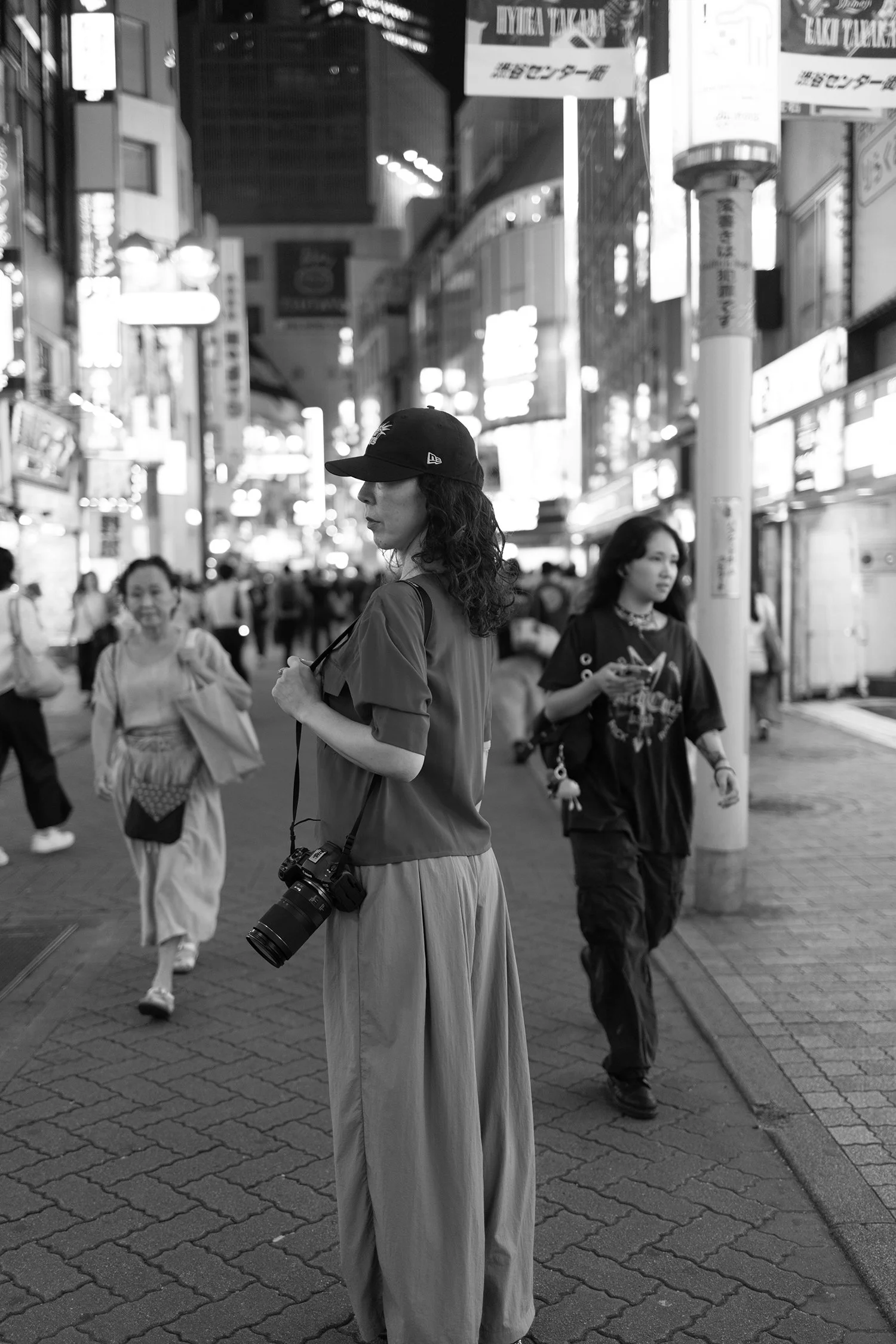
Photographer, Journalist: Atsuko Tanaka, Location: Shibuya, Tokyo, Japan, Year: 2026, Photographer: Ajani Charles
Tattoos are especially interesting in this regard because they remain stigmatized in many parts of Japanese society, partly due to their historical association with organized crime. Tattooed individuals may face restrictions at some onsen (hot springs), public bathhouses, gyms, swimming facilities, and other establishments, as well as potential social or professional prejudice. However, attitudes are evolving, and tattoo acceptance varies substantially across generations, institutions, and communities. The contrast between tattoo acceptance within much of contemporary hip-hop culture and their treatment elsewhere in Japanese society is particularly striking.
These economic, social, and cultural realities have deepened my appreciation for the determination, resourcefulness, creativity, and entrepreneurial abilities of the artists and other professionals I encounter and document, while reminding me that the extraordinary music, fashion, performances, visual imagery, and nightlife associated with Tokyo hip-hop represent only part of a much more complex story involving financial constraints, social expectations, personal sacrifices, cultural tensions, major differences and similarities between Western and Eastern hip-hop, and the pursuit of creative autonomy in one of the world's most fascinating societies.
Documenting Tokyo's Hip-Hop Culture, Community, and History
To date, Project TYO has documented a diverse and growing cross-section of individuals, organizations, brands, and cultural spaces contributing to Japan's hip-hop culture and its broader creative ecosystem, and the following is a small selection of subjects documented thus far, representing only part of the archive, spanning music, dance, fashion, photography, media, entrepreneurship, nightlife, and other creative industries.
DJs: DJ Chari, DJ Fujimaru, DJ Kentaro, DJ KOCO also known as SHIMOKITA, DJ MARZY, DJ MGL, DJ Revolver, DJ SERIKA, DJ Sinatra, DJ TAQER, DJ TY-KOH, DJ Yen, and DJC2.
Recording Artists: BigDollarDoll (also known as $UGAR), Cz TIGER, Jin Dogg, MaRI, MonyHorse, NENE, SHO (also known as POP SHO), Yoshi24k, and Yuki Chiba.
Entrepreneurs: Alligator Jesus, Salvatore Morale, and Tetsuya Akiyama.
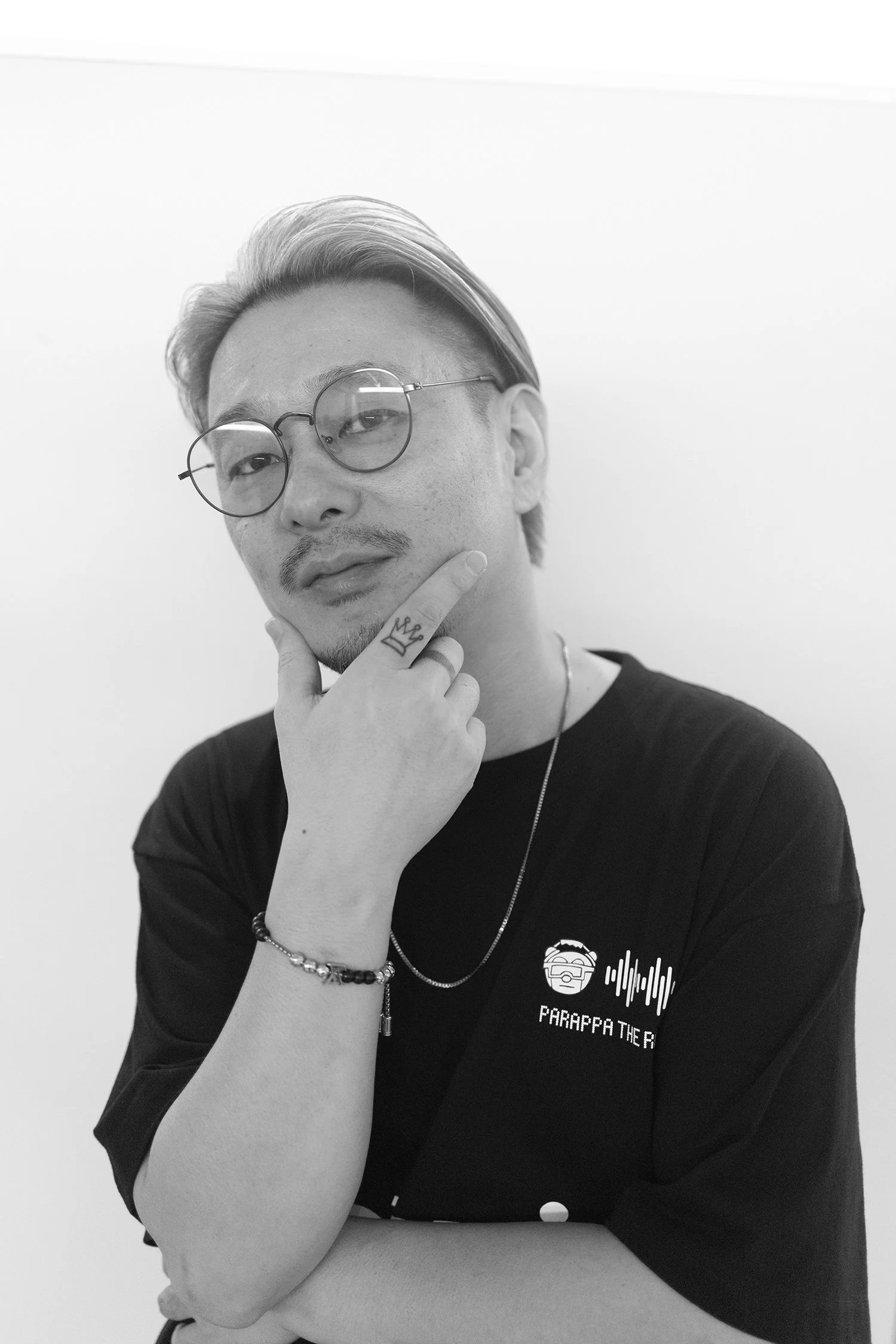
DJ: Kentaro, Location: Hina STUDIO, Tokyo, Japan, Year: 2026, Photographer: Ajani Charles
Photographer: Atsuko Tanaka.
Media Personalities: Isaac Y. Takeu and SAKURA.
Media Platforms: GOLDNRUSH PODCAST, J-WAVE, and TOKYO BEATS FOUNDATION.
Fashion and Jewellery Brands: A BATHING APE, Alligator Jesus, GRILLZ JEWELZ, and WIND AND SEA.
Dancers and Dance Crews: $ugar, Asami, Aya, Maaya, Miyu, Nia, Saya, and THE SPC BOYS CLUB.
Event Promoters: ONE UNITY.
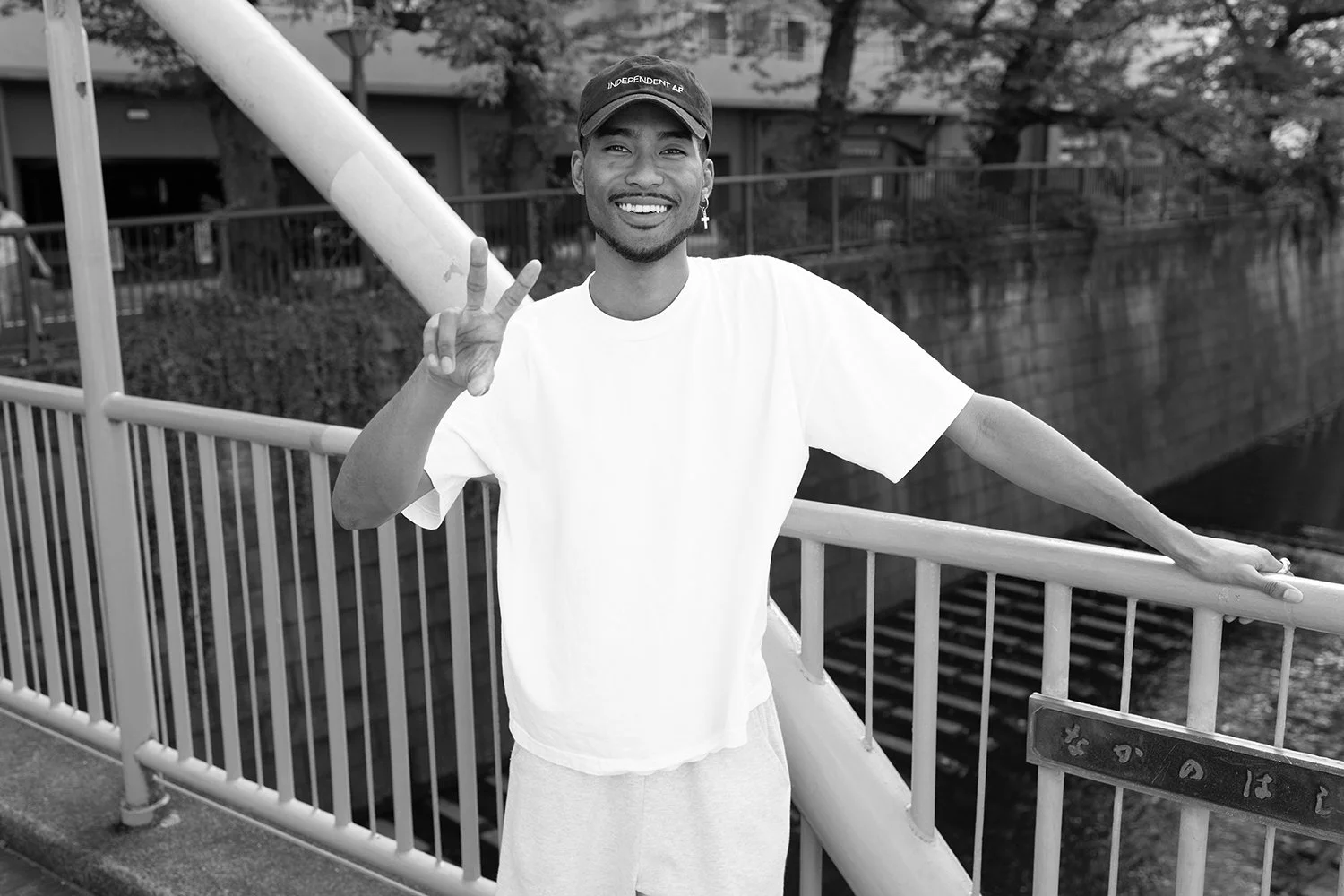
Radio Host, Podcast Host, Entrepreneuer: Isaac Y. Takeu, Location: Meguro City, Tokyo, Japan, Year: 2026, Photographer: Ajani Charles
Nightlife Venues: 1 OAK Tokyo, CÉ LA VI TOKYO, club asia, R3 Club Lounge, THEPINK TOKYO, and TWO FACE.
Collectively, these subjects reflect the extraordinary breadth of Japan's contemporary hip-hop ecosystem, highlighting not only the artists, DJs, and performers at its forefront, but also the entrepreneurs, cultural institutions, creative professionals, media platforms, brands, and spaces that sustain and shape the culture, many of which are interconnected in ways that become increasingly apparent as my relationships and understanding of the community develop.
As an ongoing photographic, documentary, and cultural preservation initiative, Project TYO will continue expanding this archive, documenting the individuals, communities, and interconnected creative networks that contribute to the Greater Tokyo Area’s evolving hip-hop history, while exploring the relationships between Japanese hip-hop, Japanese society, and the American and international cultural influences that have shaped its development.
Connecting the Dots Across Cultures
One of my most important long-term ambitions for Project TYO is to connect the dots within the Greater Tokyo Area's hip-hop culture, community, and history, documenting the relationships, creative influences, institutions, businesses, and historical developments that help explain how the culture has evolved and continues to expand across one of the world's largest and most influential urban environments.
The more time I spend in my favourite city, Tokyo, and the more time I spend documenting Tokyo hip-hop, the more I appreciate that the culture cannot be understood exclusively through its most recognizable rappers, popular songs, fashion trends, or entertainment venues, because its history and evolution are inseparable from the personal relationships, socioeconomic conditions, cultural influences, individual ambitions, and broader social environments that shape the lives of its participants.
I am particularly interested in documenting not only what makes Japanese hip-hop culturally distinctive, but also the similarities, differences, and historical connections between Japanese hip-hop and the communities that contributed to hip-hop's development in North America and elsewhere, while respecting the fact that Japanese artists and communities have developed their own identities, artistic approaches, traditions, and interpretations of the culture.
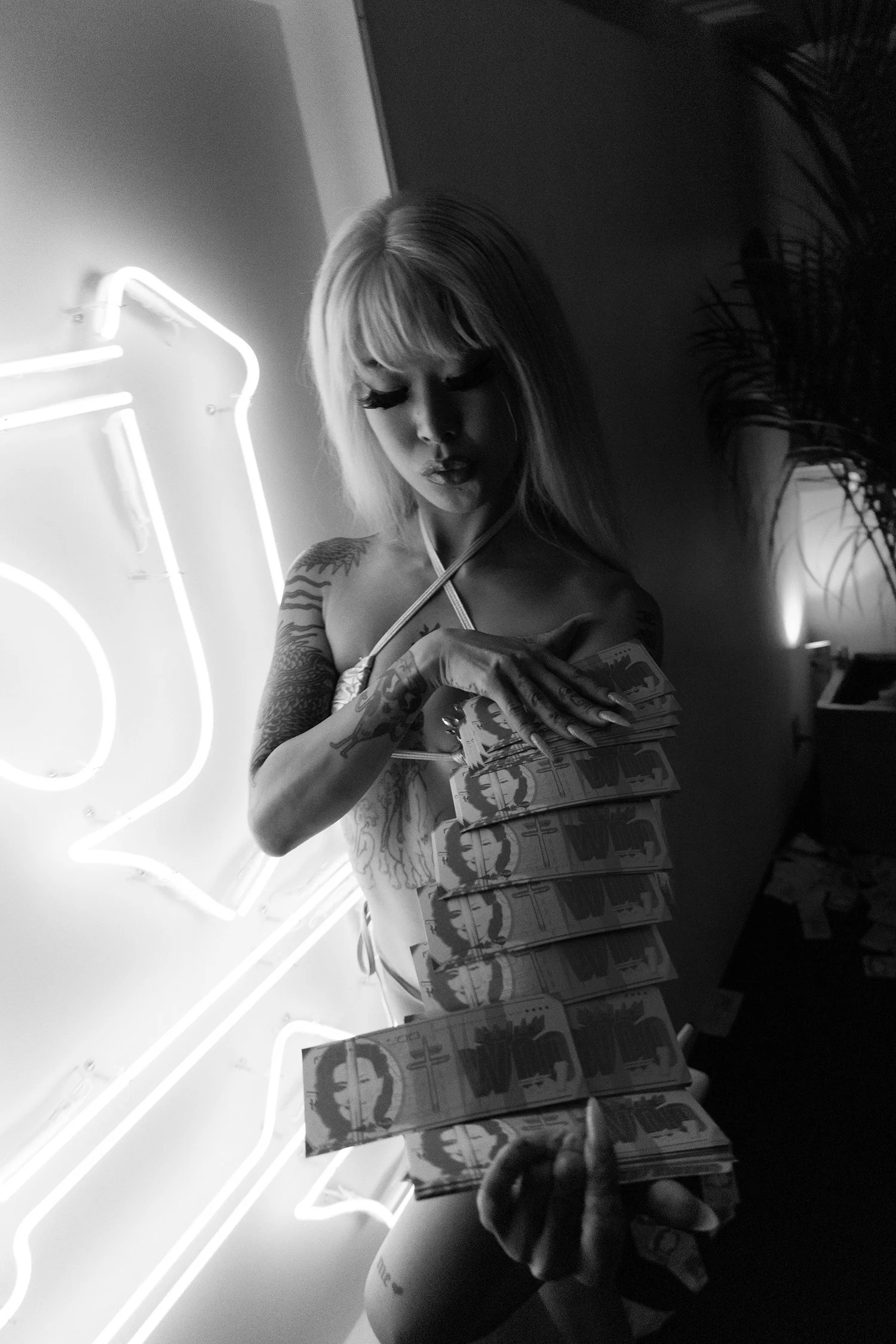
Dancer, Recording Artist: $ugar also known as BigDollarDoll, Location: Madam Woo Tokyo, Tokyo, Japan, Year: 2026, Photographer: Ajani Charles
With approximately twenty years of documenting hip-hop internationally, the extensive archive I have developed through Project T-Dot, my professional relationships, and the extraordinary progress I have made in Japan since July 2025, I am well positioned to serve as a cultural bridge between Western hip-hop culture and Tokyo and Japan’s hip-hop communities.
I strongly believe I can and will connect people, organizations, creative opportunities, historical narratives, and cultural institutions in ways that generate meaningful value on both sides.
There is an extraordinary amount of work ahead of me, and although Project TYO has advanced considerably faster than I anticipated, I recognize that comprehensively documenting even a fraction of the Greater Tokyo Area's hip-hop culture, community, and history will require years and decades of research, relationship-building, photography, filmmaking, interviews, writing, collaboration, and continual learning; fortunately, few professional pursuits excite and fulfill me more than documenting hip-hop culture, and I am more motivated than ever to continue developing my life, career, relationships, and creative projects in Japan.
Finally, I want to extend a special thanks to those who contributed most significantly to the progress of Project TYO last summer, including but not limited to 1 OAK Tokyo, Aki Takabatake, Alligator Jesus, Antarius Reynolds, BigDollarDoll aka $ugar, DJ Sinatra, GOLDNRUSH PODCAST, Isaac Y. Takeu, Isuzu, NAGI THE SPC STEPPER, Nothing Japan, Sebastian Mair, Ran, Takehiro Furuki, and TOKYO BEATS FOUNDATION, whose generosity, introductions, insights, support, and collaboration helped make the summer of 2026 one of the most extraordinary and productive periods of my artistic and professional life.
References
1. Demographia. (2025, August). Demographia World Urban Areas: 20th Edition. https://blogs.chapman.edu/demographics-and-policy/wp-content/uploads/sites/82/2025/06/Demographia-World-Urban-2025.pdf.
2. United Nations Department of Economic and Social Affairs. (2025, November 18). World Urbanization Prospects 2025: Summary of Results. https://www.un.org/development/desa/pd/sites/www.un.org.development.desa.pd/files/undesa_pd_2025_wup2025_summary_of_results.pdf.
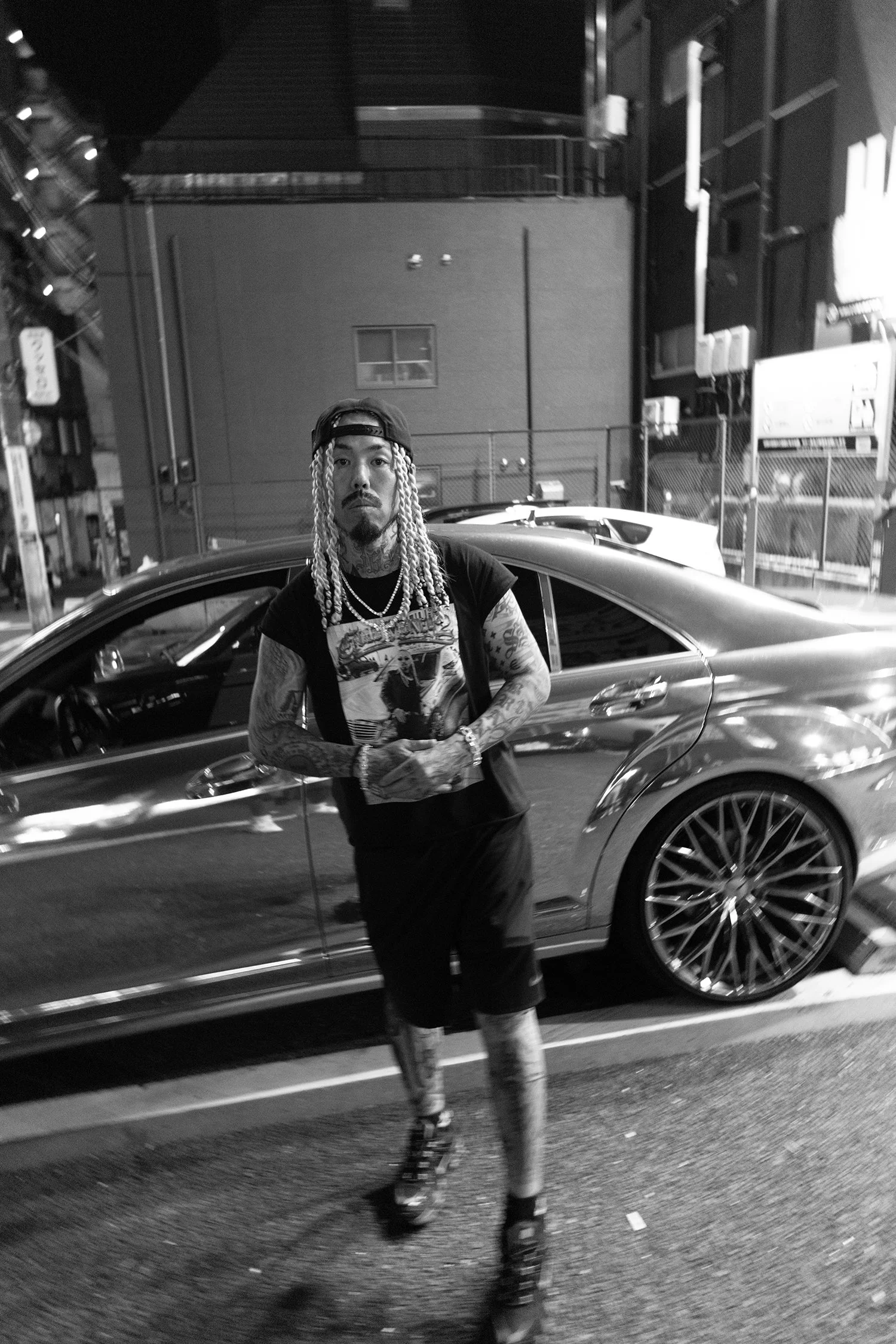
Recording Artist: SHO also known as POP SHO, Location: Shibuya, Tokyo, Japan, Year: 2026, Photographer: Ajani Charles
3. Statistics Bureau of Japan. (2026, June 25). News Bulletin: Preliminary Counts of the 2025 Population Census of Japan Released. https://www.stat.go.jp/english/info/news/20260625.html.
4. Organisation for Economic Co-operation and Development. (2025). Pensions at a Glance 2025: Average Wage. https://www.oecd.org/en/publications/pensions-at-a-glance-2025_e40274c1-en/full-report/average-wage_da2c17cc.html.
5. Bank of Japan. (2026, August 27). Japan's Economy and Monetary Policy: Speech by Deputy Governor Ryozo Himino in Saitama. https://www.boj.or.jp/en/about/press/koen_2026/ko260827a.htm.
6. Beattie, E. (2026, October 14). U.K. and Indian economies set to overtake Japan, IMF says. The Japan Times. https://www.japantimes.co.jp/business/2026/10/14/economy/japan-economy-6th.
7. HYPE Inc. (2026, August 8). ライブハウスの「ノルマ」とは?ギャラ制との違いと、払いすぎて消耗しないための考え方【会場側が解説】 [What Is the Live House Ticket Quota System? Differences from Performance Fees and How to Avoid Excessive Costs]. https://tokio.world/contents/livehouse-norma.
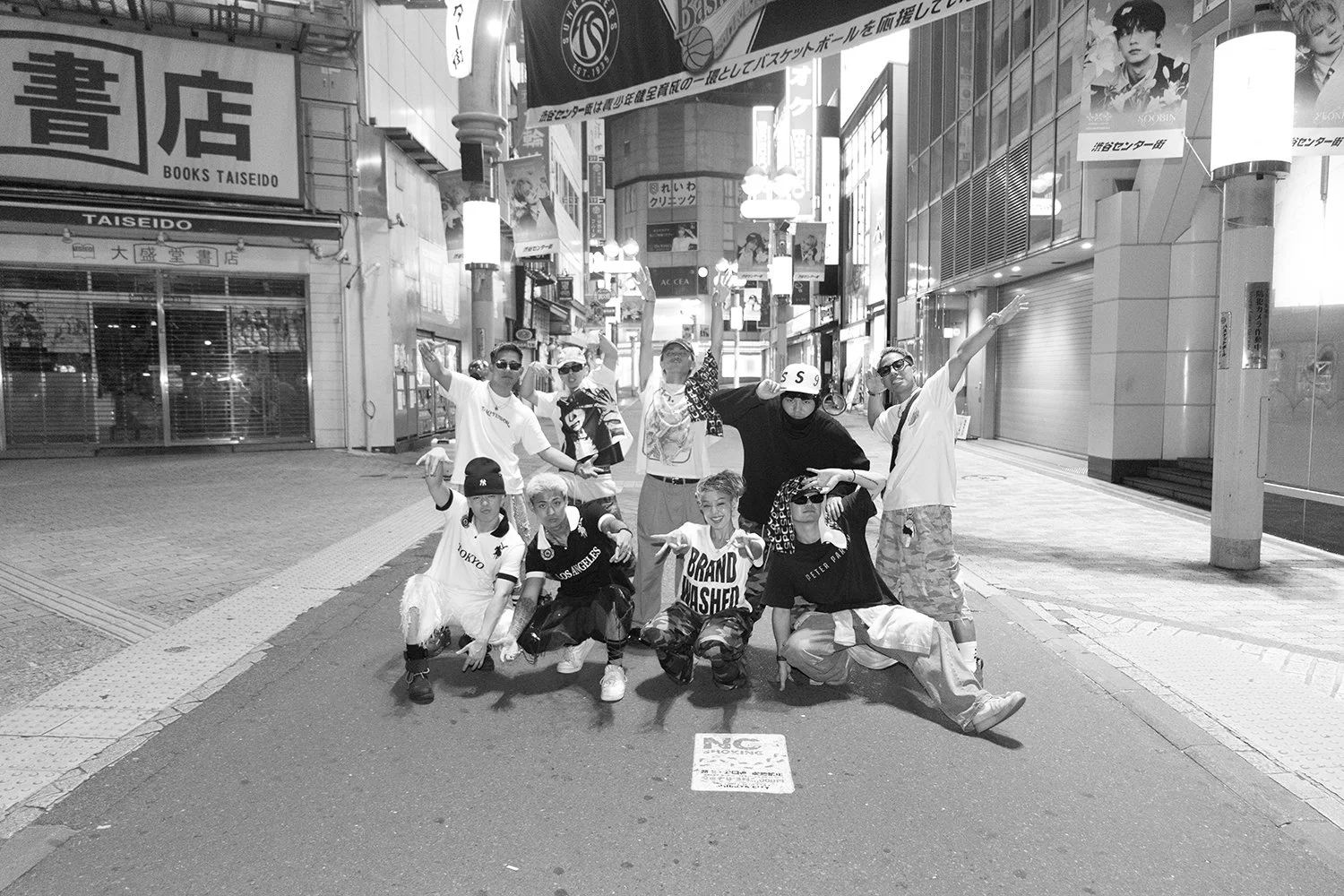
Dance Crew: THE SPC BOYS CLUB, Location: Shibuya, Tokyo, Japan, Year: 2026, Photographer: Ajani Charles
8. JGIG. (2026, October 20). Playing a Live House in Japan: Noruma, Taiban and Drink Fees. https://www.j-gig.com/columns/playing-live-house-japan-international-band.
9. Japan National Tourism Organization. (n.d.). Understanding and Mastering Japanese Manners and Etiquette. https://faq.japan-travel.jnto.go.jp/en/guide/understanding-and-mastering-japanese-manners-and-etiquette.
10. Ohio State University Libraries. (n.d.). Hip Hop Culture: Hip Hop Culture Elements. https://guides.osu.edu/hiphop/elements.
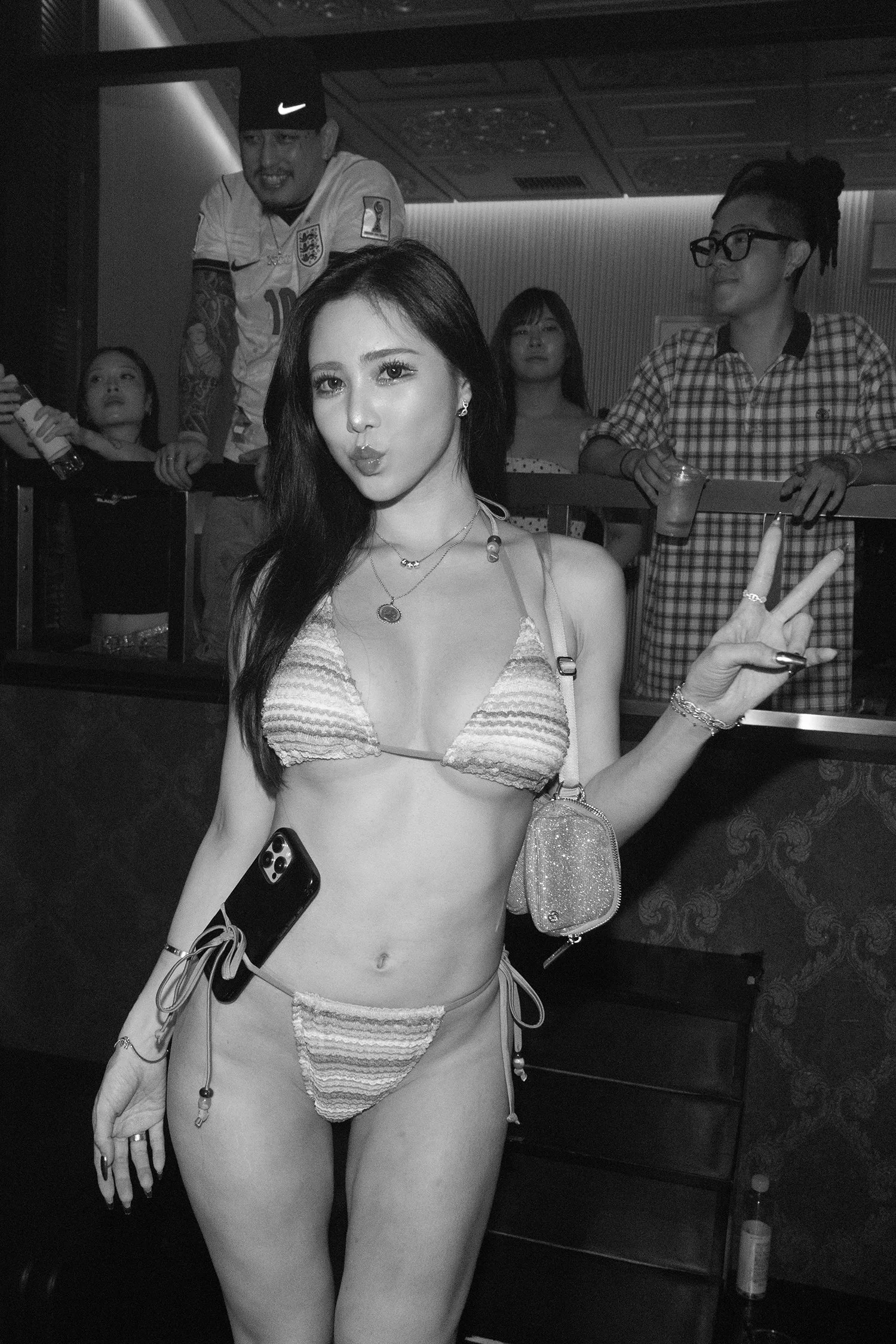
Dancer: Maaya, Location: R3 Club Lounge, Tokyo, Japan, Year: 2026, Photographer: Ajani Charles
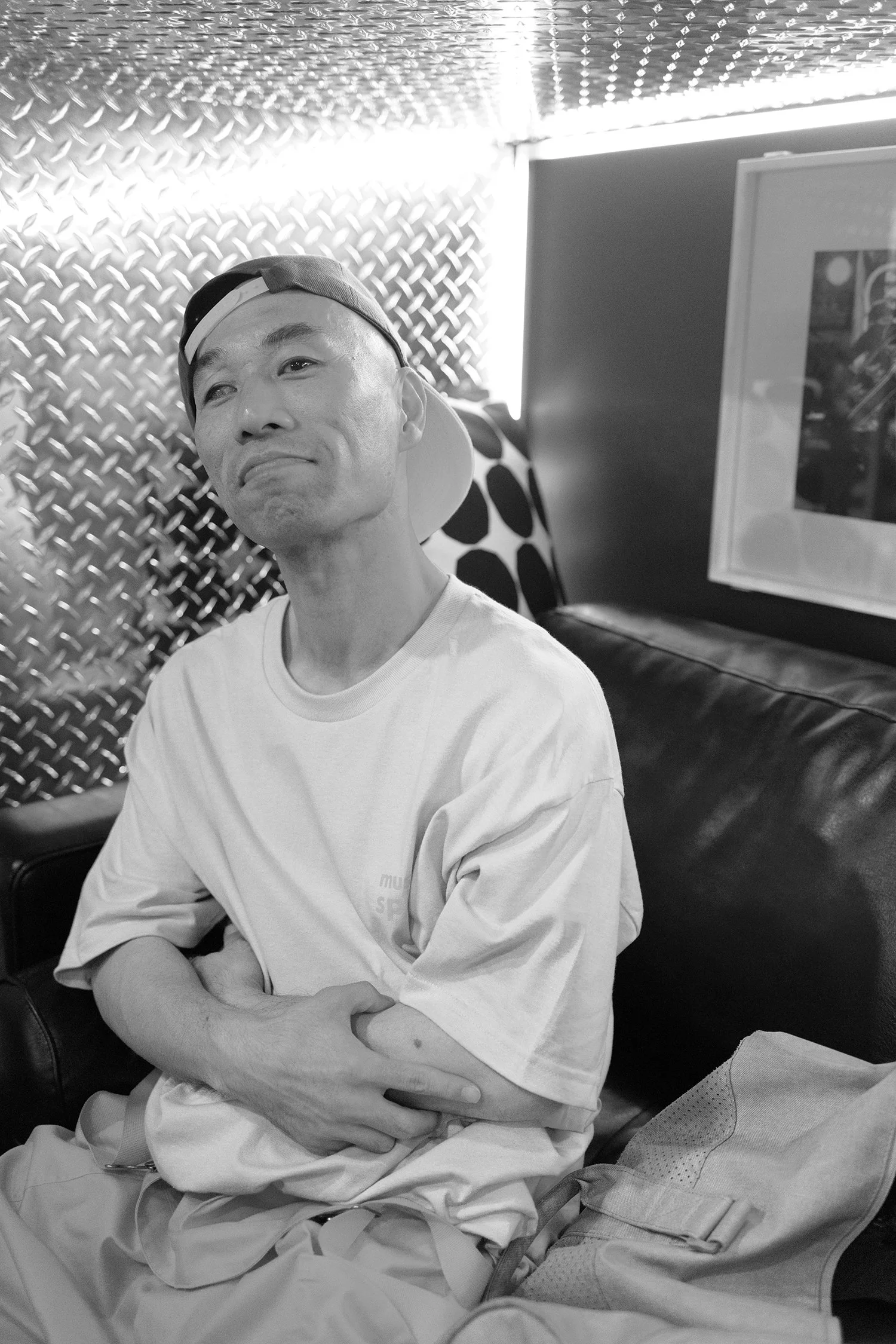
DJ: KOCO also known as SHIMOKITA, Location: The Bentway, Toronto, Ontario, Canada, Year: 2024, Photographer: Ajani Charles
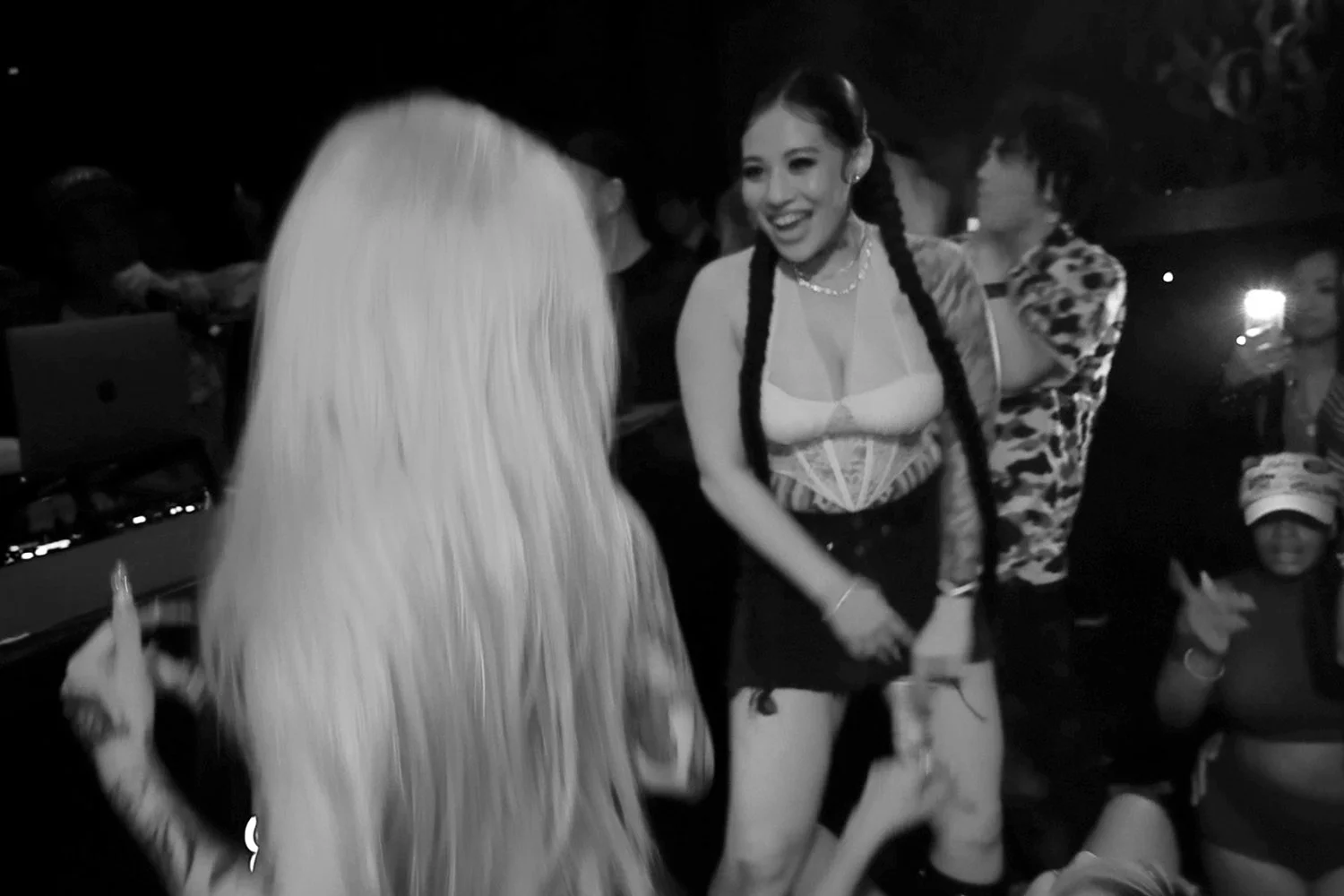
Recording Artist: MaRI, Dancer, Recording Artist: $ugar also known as BigDollarDoll, Location: 1 OAK Tokyo, Tokyo, Japan, Year: 2025, Photographer: Ajani Charles
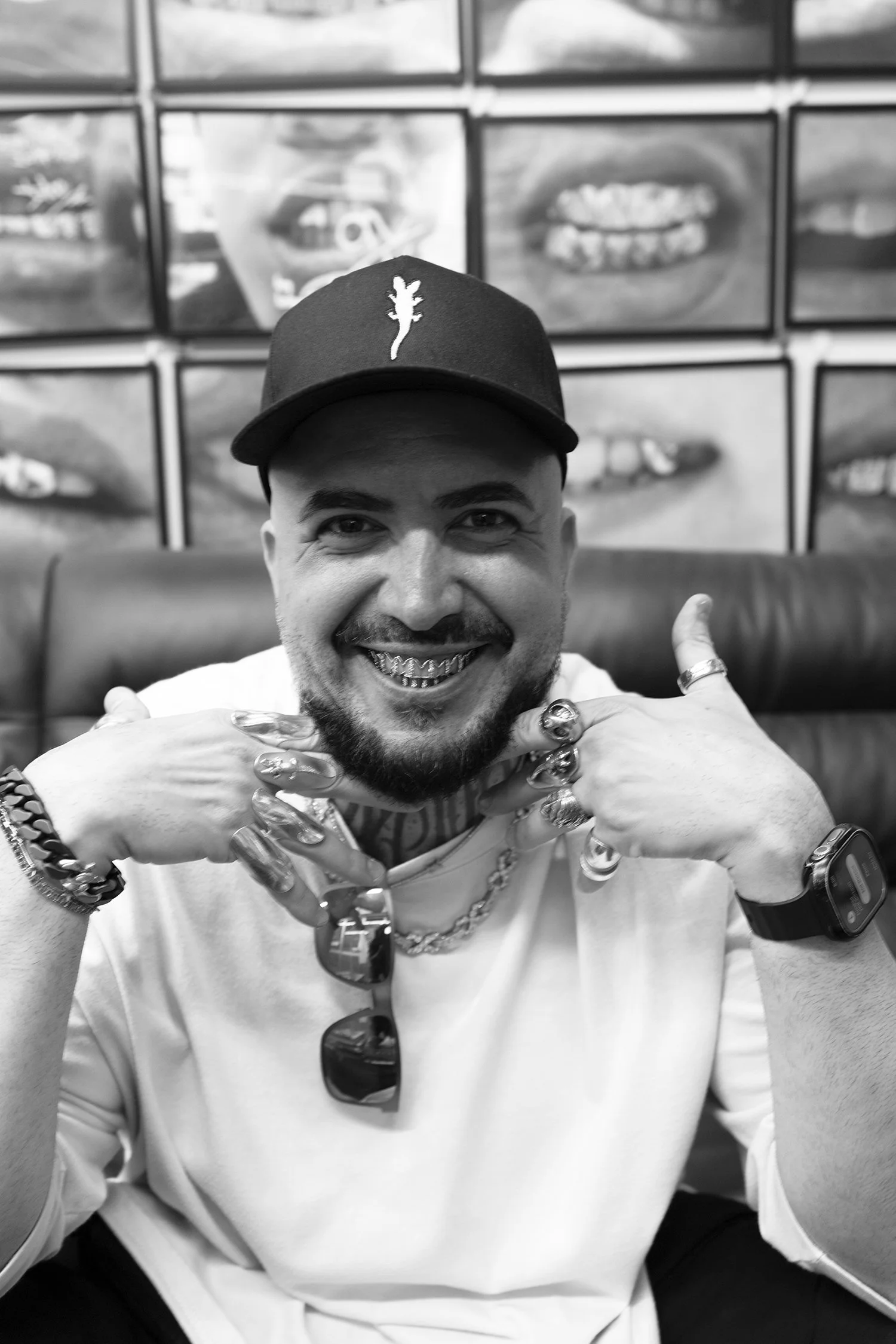
Jewellery Designer, Visual Artist, Producer, Curator, Entrepreneur: David Tamargo, professionally known as Alligator Jesus, Location: GRILLZ JEWELZ, Tokyo, Japan, Year: 2026, Photographer: Ajani Charles
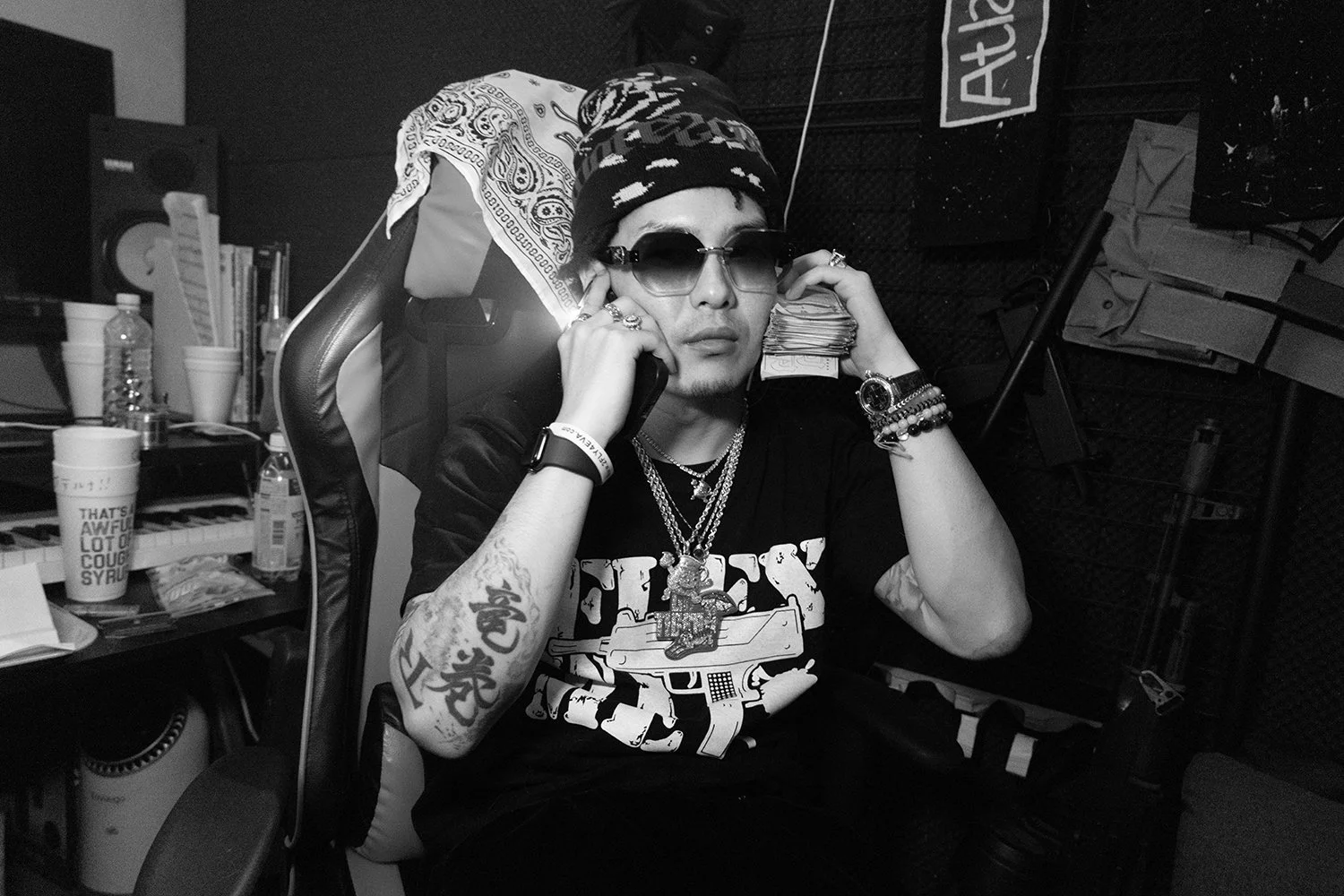
Recording Artist, Producer: Cz TIGER, Tokyo, Japan, Year: 2026, Photographer: Ajani Charles
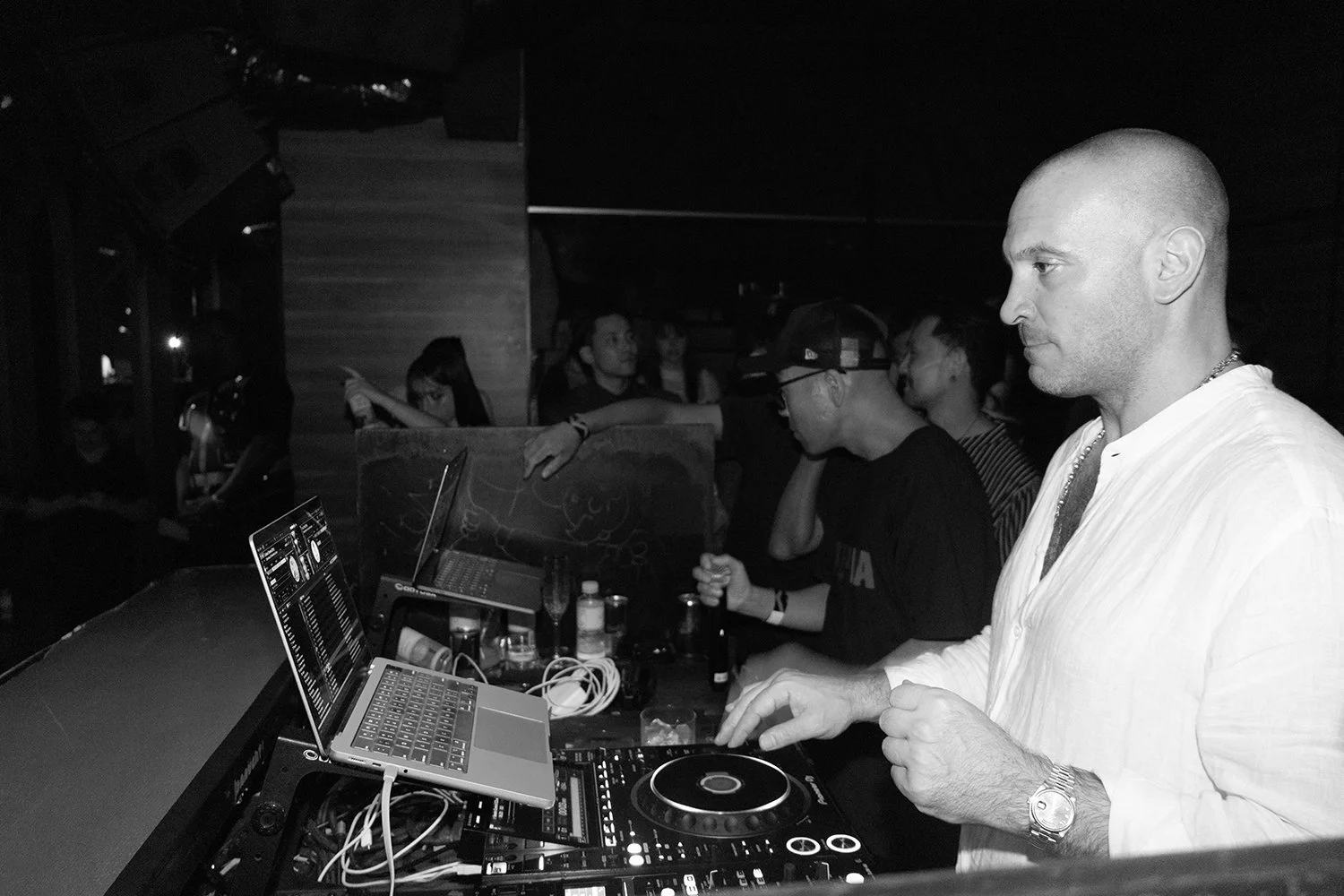
Entrepreneur, DJ: Salvatore Morale, Location: 1 OAK Tokyo, Tokyo, Japan, Year: 2025, Photographer: Ajani Charles
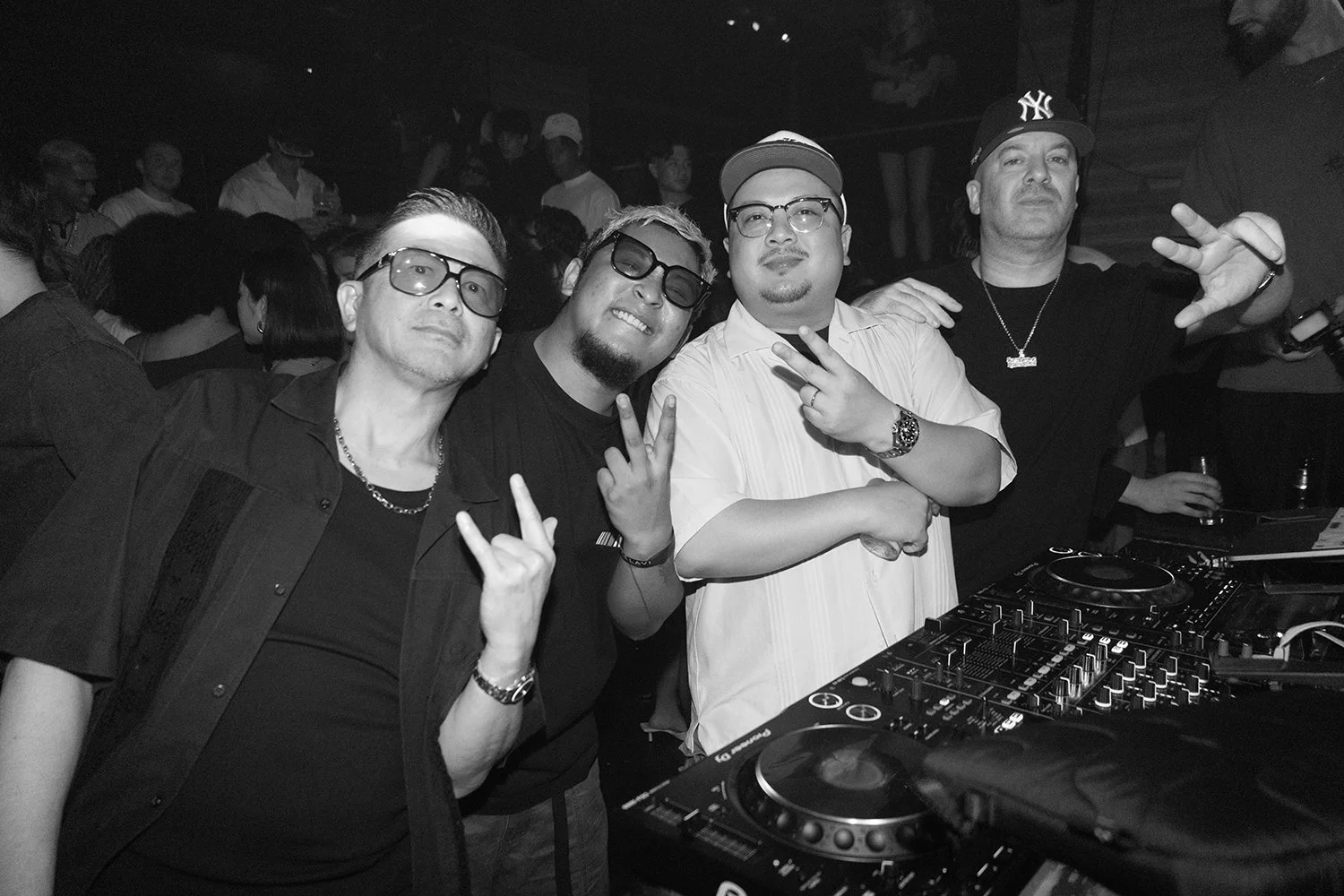
DJ: Revolver, DJ: Sinatra, Location: 1 OAK Tokyo, Tokyo, Japan, Year: 2026, Photographer: Ajani Charles
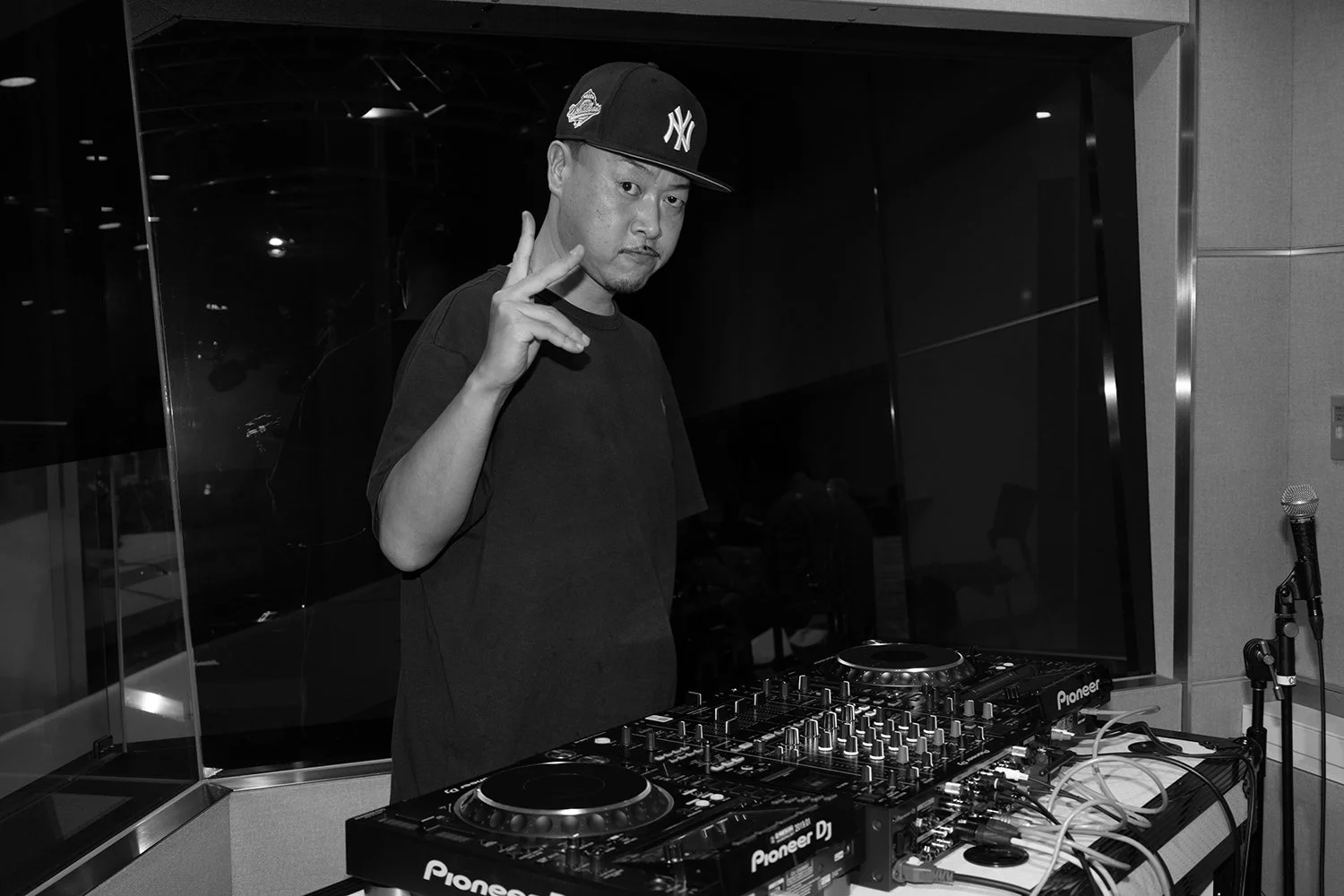
DJ: TY-KOH, Radio Program: TOKYO BEATS FOUNDATION, Location: J-WAVE, Roppongi Hills Mori Tower, Tokyo, Japan, Year: 2026, Photographer: Ajani Charles
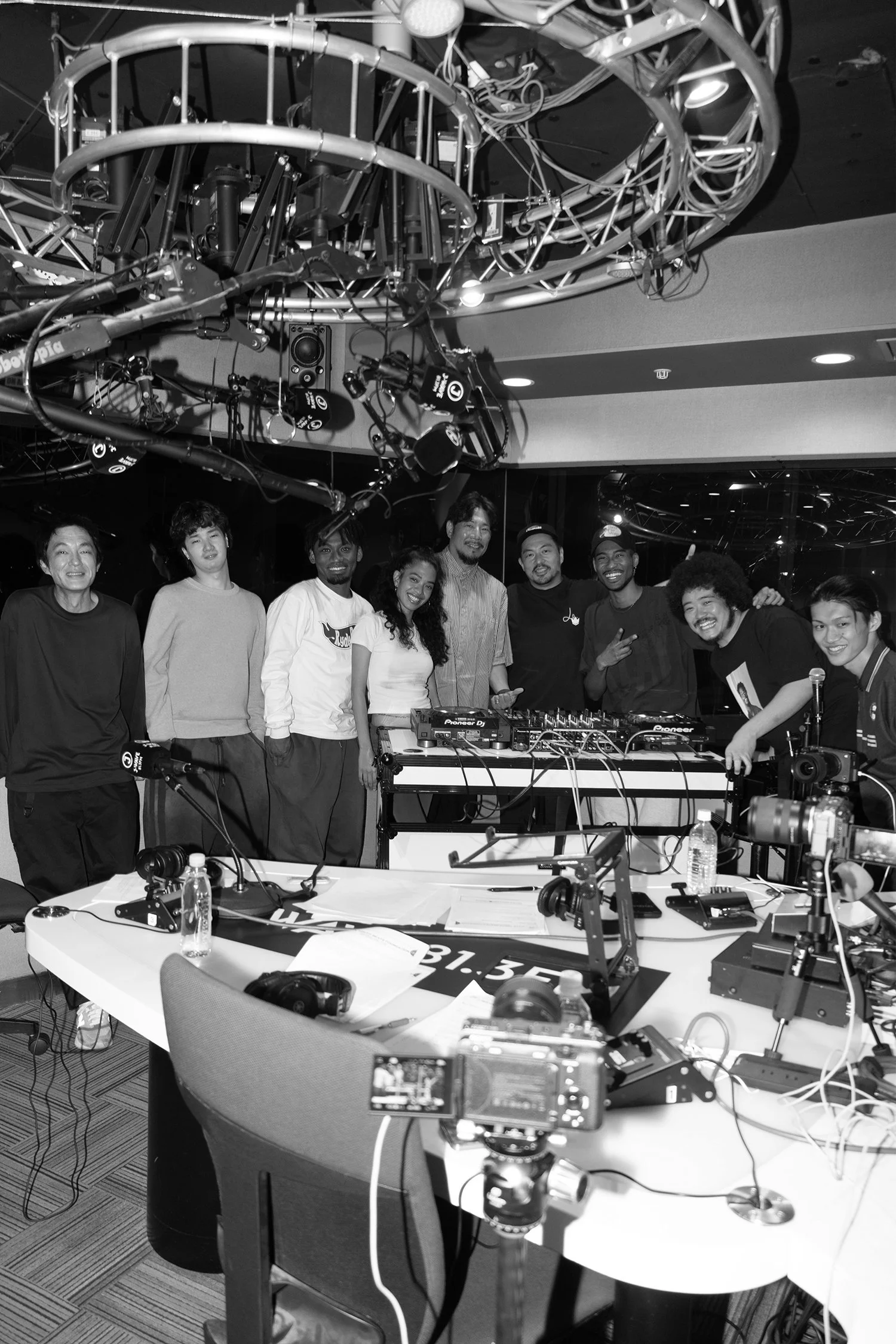
Radio Program: TOKYO BEATS FOUNDATION, Location: J-WAVE, Roppongi Hills Mori Tower, Tokyo, Japan, Year: 2026, Photographer: Ajani Charles
