
The Art of Being Alive: A Transformative Summer in Japan

Recording Artist, Producer: NENE, Location: Circus Tokyo, Tokyo, Japan, Year: 2026, Photographer: Ajani Charles
Approximately a 13-minute read.
Outline
The Summer That Changed Everything
The Extraordinary in Everyday Life
Inside Japan's Creative and Cultural Worlds
Order Amidst Chaos
Ikigai and New Horizons
The Summer That Changed Everything
Over the course of approximately two months, I spent most of the summer of 2026 in Japan on my second business development trip to the country, which also had a profoundly important personal component; I explored Tokyo, my favourite city in the world, alongside Nagoya, Osaka, and Shizuoka, during what became, by an extraordinary margin, the most prolific, inspiring, fulfilling, enjoyable, and transformative journey of my life and career. I expect to feel about the same way on my upcoming third trip to Japan.
The sheer relief and excitement I felt when I landed at Tokyo’s Narita Airport is difficult to describe. After settling into my Airbnb unit in Rappongi, an approximately 18-hour gap separated me from listening to one of my favourite Japanese rappers, NENE, on my balcony in downtown Toronto and meeting and documenting her in Shibuya, shortly before her performance at Circus Tokyo, on my first night in Japan; that established the tone for a journey so extraordinary that, in retrospect, it feels as if a prolific writer scripted it. Had I not documented it so extensively, primarily with my Canon EOS R5 Mark II during most of my waking hours, I would barely believe I had experienced it myself.
This journey has brought greater clarity to my life and career, especially the environments, opportunities, and relationships that most inspire me to grow artistically, professionally, and in many other ways.
My ambitions have become increasingly international, with Japan at the center of a future shaped by creativity, excellence, cultural exchange, and a more fulfilling and peaceful quality of life.
As my horizons expand, I naturally invest more time and energy in the people, places, and opportunities that align most closely with the life and career I intend to build.
Throughout the summer, I simultaneously produced and photographed three documentary projects focused on specific facets of Japanese culture, explored extraordinary galleries, museums, gardens, shrines, and entertainment venues, practiced Japanese, expanded my network exponentially, and met remarkable artists, entrepreneurs, executives, and cultural figures; one of the projects, Project TYO, my long-term documentary exploring the Greater Tokyo Area's hip-hop culture, community, and history, advanced at a pace that compressed what would ordinarily require years of networking and production into approximately two months.
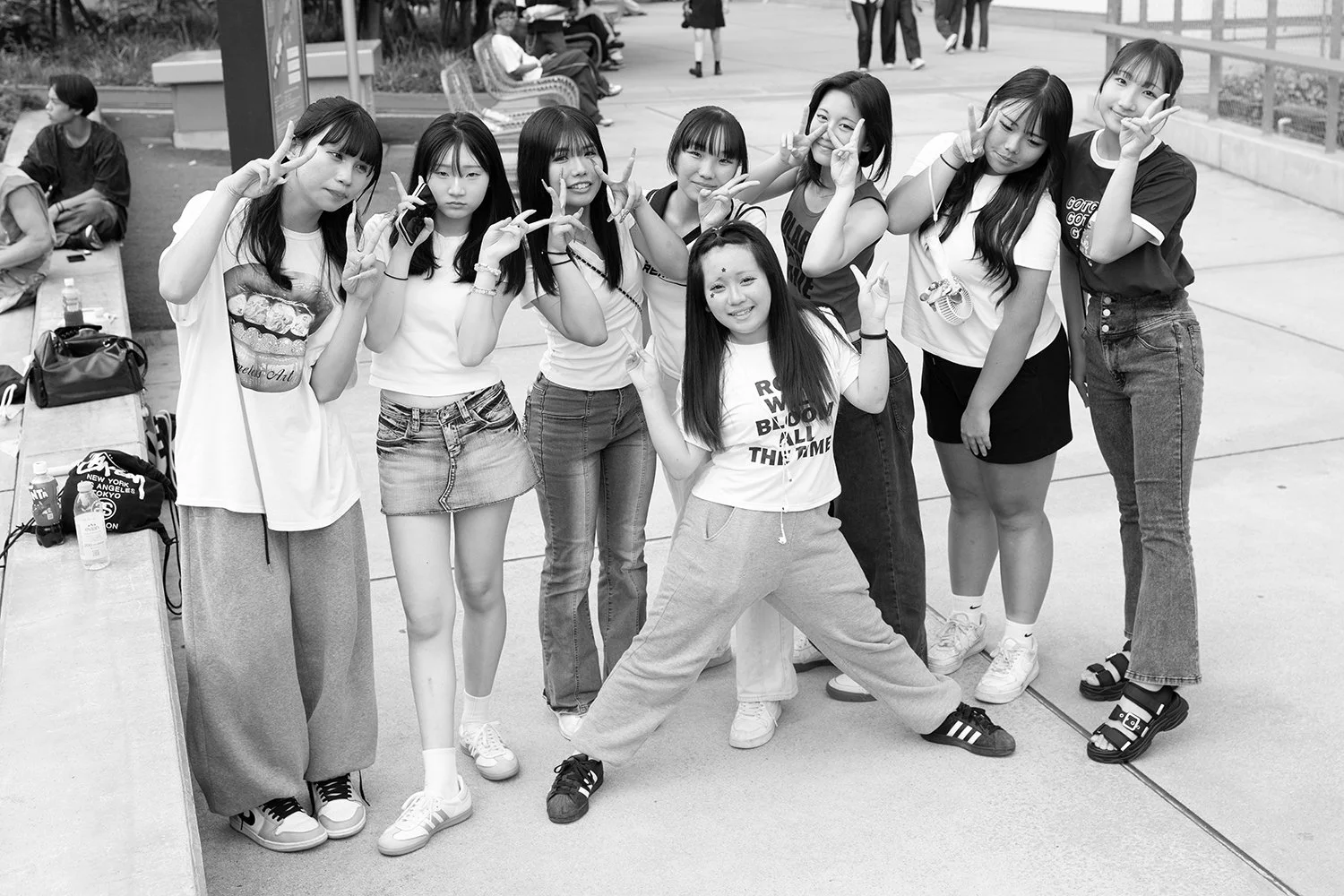
Location: Miyashita Park, Tokyo, Japan, Year: 2026, Photographer: Ajani Charles
This past summer, I experienced more peak moments, extraordinary encounters, and profound inspiration in a single day in Japan than I would ordinarily experience over many months in almost any Western country.
Despite my demanding schedule, I never experienced burnout. I recovered easily from exhaustion because my surroundings, creative activities, and social interactions continually renewed me, contributing to the greatest sustained sense of mental wellbeing, psychological clarity, and optimism I have experienced in my adult life.
Nevertheless, through research, firsthand experiences, and numerous conversations, I developed a deeper understanding of Japan's economic challenges, demographic crisis, social expectations, immigration restrictions, business challenges, and difficulties affecting citizens and foreign residents, including people who want to leave the country soon and an older Japanese man on Threads who lamented its various forms of decline since the 1990s and early 2000s to me. Many people in Japan are financially constrained, depressed, anxious, unhappy, or disillusioned.
But these realizations have only made my appreciation for Japan more informed and durable, because, from my perspective, its extraordinary advantages and the experiences I enjoyed and learned a great deal from far exceeded its shortcomings.
I love Japan more than ever today, even though I understand many of its challenges, at least intellectually. And although both of my trips to Japan are strong examples of my extroversion, I am more introverted than extroverted, and to me, Japan is an introvert’s paradise and an artist’s heaven.
The Extraordinary in Everyday Life
Japan's extraordinary concentration of art, architecture, natural beauty, and thoughtful design frequently left me so overwhelmed by visual stimulation that I would retreat to gardens and shrines to meditate, only to discover that these environments were themselves so beautiful that they intensified my sense of overwhelm, especially while exploring and meditating at venues such as the magnificent Imperial Palace East Gardens, also known as Kōkyo Higashi Gyoen.
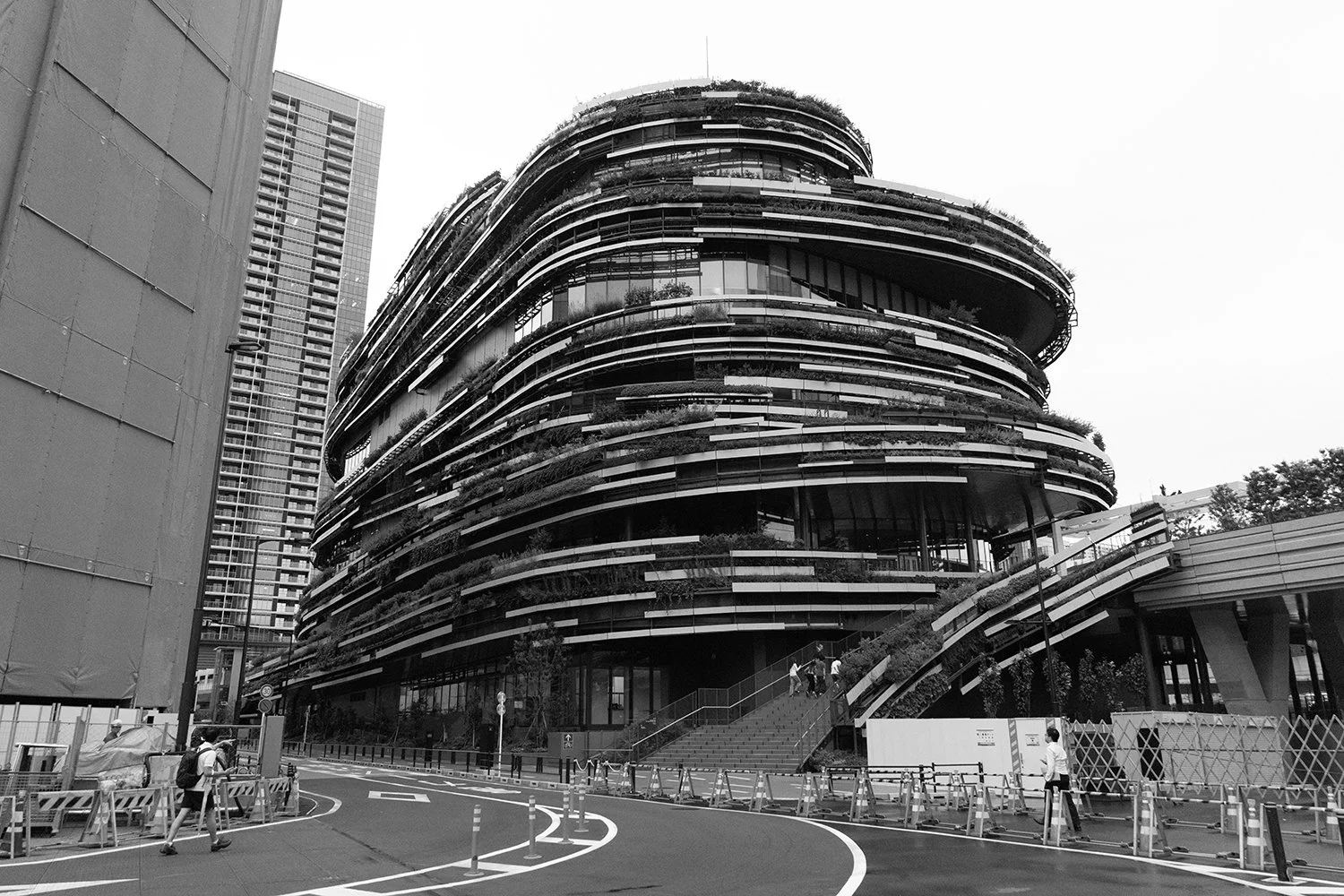
Location: MoN Takanawa: The Museum of Narratives, Tokyo, Japan, Year: 2026, Photographer: Ajani Charles
This past summer, my gratitude for Japanese gardens and landscapes deepened as I explored Nagoya's beautiful Tokugawaen Garden and visited Shizuoka for the first time, where I hiked up a mountain overlooking the city, found myself completely alone at the summit, and meditated at a Buddhist shrine surrounded by spectacular scenery.
In Shizuoka, I later reconnected with my friend Yuto, a DJ formerly based in Shibuya, for pizza before visiting the nearby Miho no Matsubara Beach.
Tokyo's museums and exhibition spaces repeatedly challenged my understanding of artistic possibilities, whether I was learning about the city's history at the Edo Museum before meditating among colossal projections near its exit, experiencing the extraordinary aquatic displays and artistic presentation at the Art Aquarium Museum GINZA, exploring the immersive installations at teamLab Borderless in Tokyo and teamLab Botanical Garden Osaka, visiting the epic Osaka Aquarium Kaiyukan, which includes colossal whale sharks, or developing new friendships and learning about the international art world at Tokyo Gendai.
One of my favourite photographic exhibitions (among the many I visited in Tokyo) was I'm So Happy You Are Here: Japanese Women Photographers from the 1950s to Now in Shibuya, which explored the extraordinary contributions of Japanese women to photographic history, and I was so impressed that I spontaneously decided to experience it a second time on the same day, only to encounter Mari Katayama near its entrance, one of the featured photographers, who unexpectedly arrived with her team while I was revisiting the exhibition.
Architecture and performance were equally inspiring, whether I was photographing recording artist Ann G at the magnificent Tokyo International Forum, discovering during a conversation with a staff member at Akasaka Palace, following my second visit to the Canadian Embassy in Tokyo, that my knowledge of Japanese history exceeded my expectations, or attending a beautiful performance called Until the Stage is Made by dancer Wakako Arima, also known as Bando Kanjutane, and classical pianist Hibiki Hoshino, whose presentation revealed fascinating insights into their creative processes and professional lives; it was so fascinarting and cool that their show was based on the behind-the-scenes of their lives and careers.
At Summer Sonic 2026, I saw Yuki Chiba guest-appear during MGK's performance, enjoyed Jamiroquai's epic set, discovered many new musical acts, and observed how respectful Japanese audiences can be toward performers, sometimes needing encouragement to get more animated.
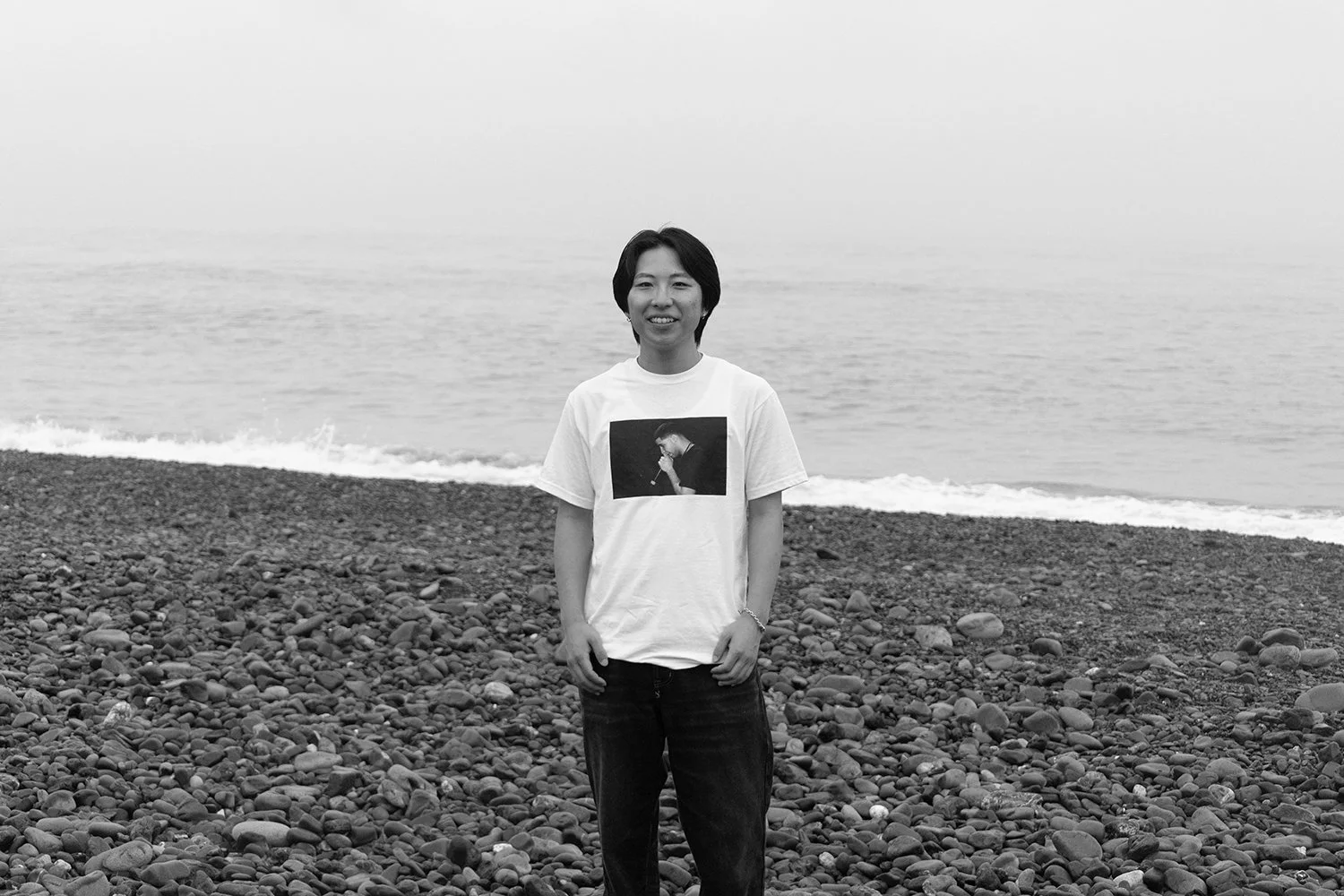
DJ: Yuto Yamanashi professionally known as MGL, Location: Miho no Matsubaras, Shizuoka City, Japan, Year: 2026, Photographer: Ajani Charles
Another memorable experience involved exploring Roppongi with my childhood friend Jon, who was visiting Tokyo with his family from Toronto, and stopping every five to ten minutes because something extraordinary compelled us to observe, discuss, and document it. Enjoying Yakiniku for the first time with my friend Yen in Shibuya was also amazing; the food was so delicious.
Inside Japan's Creative and Cultural Worlds
My work documenting Japanese hip-hop culture produced extraordinary encounters, including arriving by taxi outside club asia in Shibuya during my second night in Japan this summer to document a dancehall party, unexpectedly meeting rapper SHO, also known as POP SHO, in front of his famous all-gold Mercedes-Benz in a nearby parking lot, conducting an impromptu photo shoot with him for Project TYO, and receiving an invitation to his concert the following week, which I subsequently attended, documented, and greatly enjoyed.
Another unforgettable evening unfolded when I attended a One Unity hip-hop showcase at R3 in Roppongi, thanks to Isuzu and Ran; I was primarily there to document the event and Isuzu's performance, as she was the only dancehall recording artist at the showcase, only to discover that I was experiencing the best party I had attended in Japan, and arguably anywhere, throughout 2026, while documenting more rappers for Project TYO in one venue than I had documented anywhere else in Tokyo up until that point. To this day, I cannot believe how fun and exciting that party was by 4:00 AM, let alone on a Wednesday.
My relationships within Tokyo's nightlife community expanded when I met Kole, the street interviewer behind Tokyo Sims, Japan's most popular street interview platform, in the VIP section of my favourite Japanese nightclub, 1 OAK Tokyo.
Later, I collaborated with 1 OAK Tokyo and a photographer I have admired for years, Hiroaki Fukuda, who coincidentally oversees the club’s social media, to document West Coast American rapper G-Eazy, spending time with him and the team until approximately 9:00 AM.
Such an experience was made even more memorable by an earthquake shortly before his arrival, less than 24 hours after my first significant earthquake had caused my Roppongi Airbnb to sway dramatically for roughly half a minute while I was scrolling through Instagram in bed, leaving me surprisingly calm as I decided to shelter beneath a desk just as the shaking subsided.
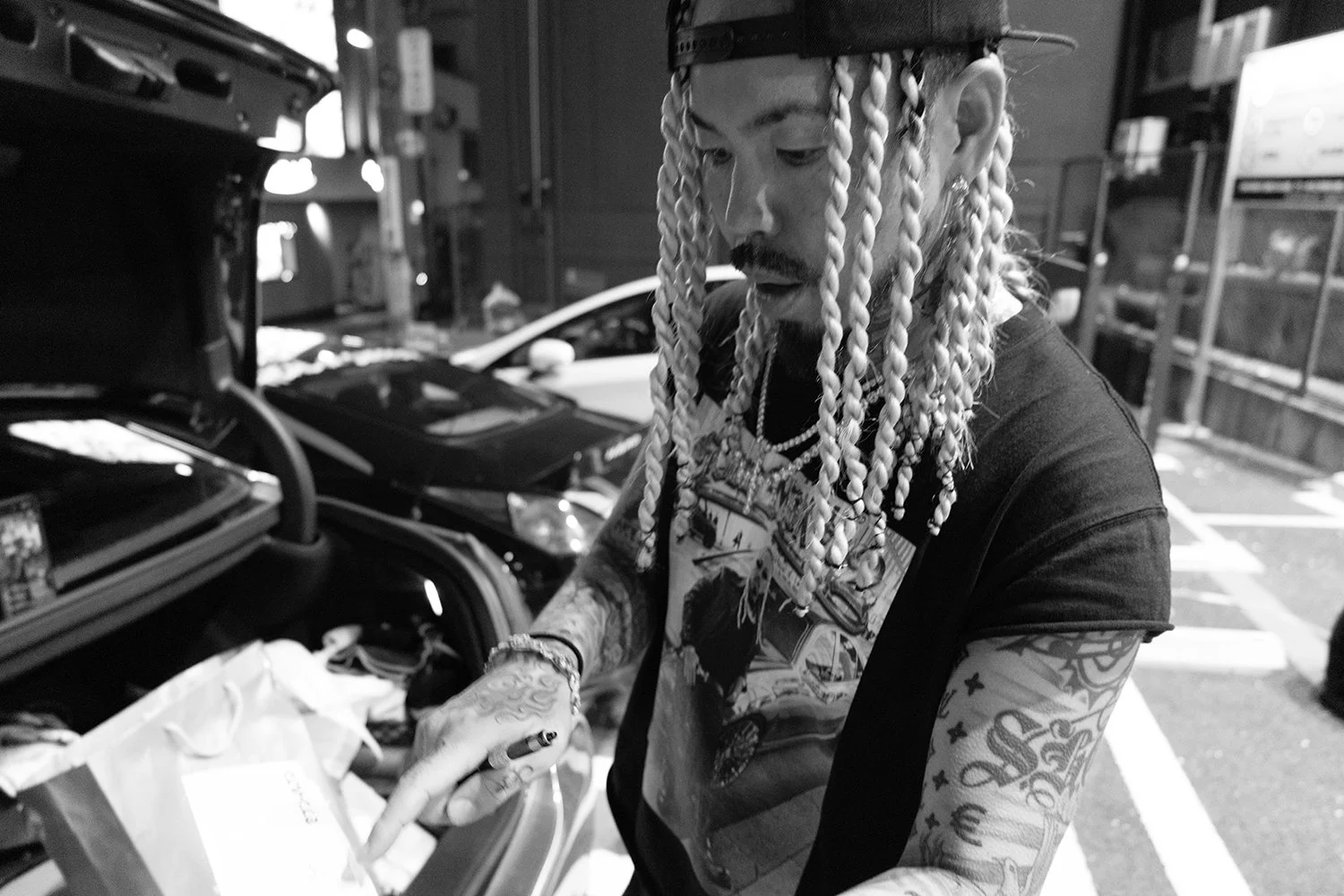
Recording Artist: SHO also known as POP SHOP, Location: Shibuya, Tokyo, Japan, Year: 2026, Photographer: Ajani Charles
While documenting GRILLZ JEWELZ founder Tetsuya Akiyama, I met prolific Los Angeles-based grill designer and entrepreneur David Tamargo, better known as Alligator Jesus, who shared valuable insights into Japanese hip-hop.
Other memorable experiences included photographing one of my favourite dance crews in the world, THE SPC BOYS CLUB in Shibuya for hours, conducting a Project TYO photo shoot at Madam Woo Tokyo, documenting and spending time with Cz TIGER and $ugar at Cz TIGER’s home studio, and getting wonderfully lost in Shibuya during a photo shoot with reggae recording artist Metis.
Near the end of my journey, I met prolific podcast host and media personality Isaac Y. Takeu and his sister.
Before photographing and interviewing Isaac for Project TYO, and considering I had learned an enormous amount about Tokyo and Japan’s hip-hop history, and Japanese culture, Japanese identity, and what it means to be mixed race in Japan through his podcast, I saw his new podcast studio for the popular GOLDNRUSH PODCAST before it was fully built.
The following day, he interviewed me during my first Japanese radio appearance on J-WAVE's TOKYO BEATS FOUNDATION, which was a complete surprise to me, as I was there to shoot behind the scenes at one of the most popular radio stations in Japan. I was surprised to see the TOKYO BEATS FOUNDATION staff waiting for me to be seated in front of a microphone. I was, and still am, honoured that Isaac both interviewed me and acted as my interpreter.
I subsequently documented TOKYO BEATS FOUNDATION and the team behind it, along with DJ TY-KOH, an extraordinary development considering that I had arrived in Japan just over a year earlier with almost no Japanese-speaking ability, no established professional network, and considerable uncertainty about whether my ambitions there were realistic.
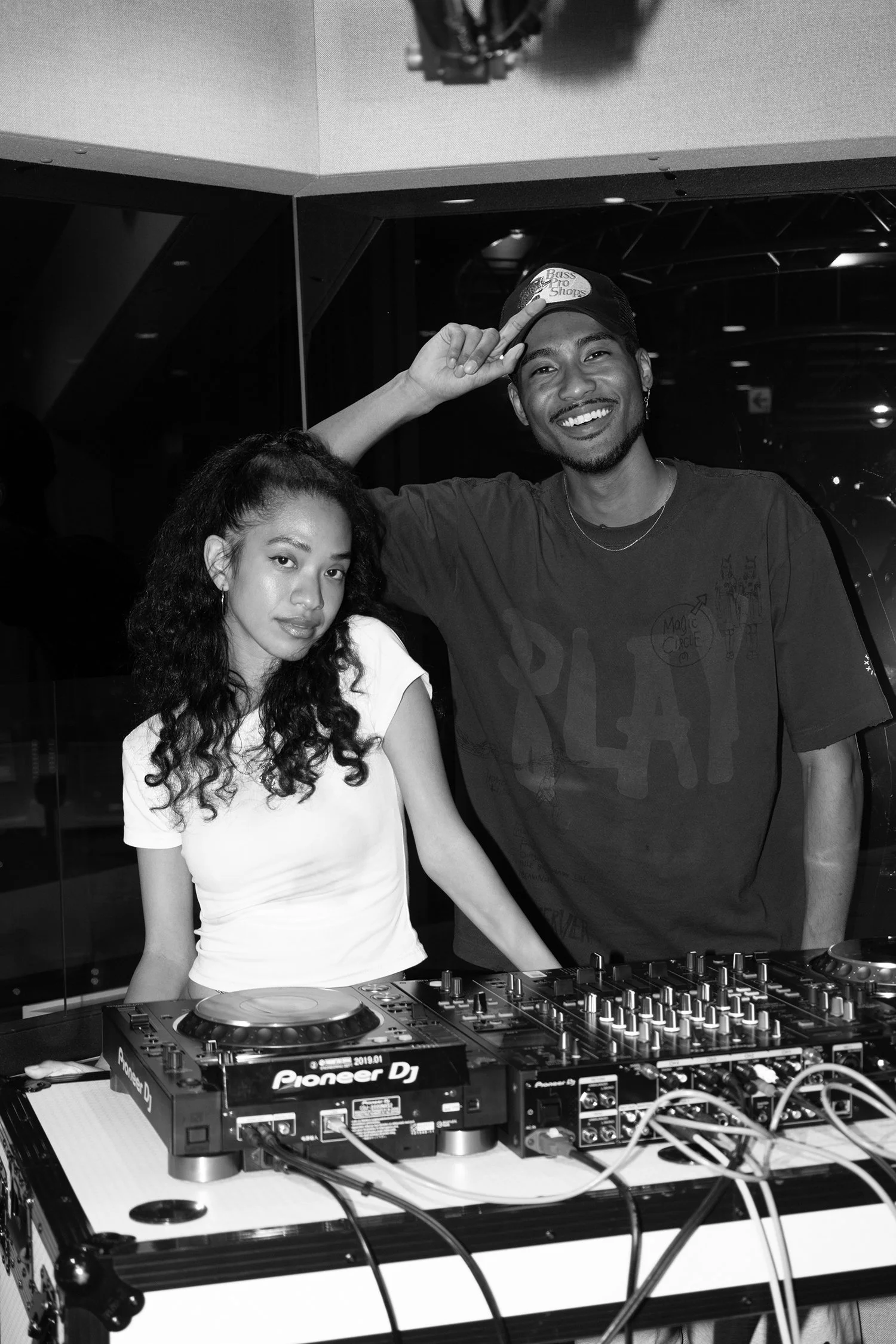
Radio Host, Podcast Host, Entrepreneuer: Isaac Y. Takeu, Radio Host, Model: SAKURA, Radio Program: TOKYO BEATS FOUNDATION, Location: J-WAVE, Roppongi Hills Mori Tower, Tokyo, Japan, Year: 2026, Photographer: Ajani Charles
These encounters were particularly rewarding because they did not feel transactional. The artists and communities I encountered frequently shared ideas, introductions, historical knowledge, and genuine friendship, allowing my work to evolve into an expanding network of collaborations and cultural exchanges while reinforcing my conviction that Project TYO should document not merely Japanese hip-hop's recognizable imagery, but also the communities, relationships, histories, and international influences that shaped its remarkable development. In addition to my other roles on behalf of Project TYO, I believe I can be a significant bridge between Western hip-hop culture and Tokyo and Japan’s hip-hop communities.
Order Amidst Chaos
Beyond its extraordinary artistic environments, Japan continually impressed me through the design, functionality, orderliness, and predictability of everyday life, whether I was navigating clean and efficiently organized train stations, exploring thoughtfully maintained public spaces, visiting konbinis (convenience stores), or interacting with professional and considerate service workers; such experiences repeatedly demonstrated how poorly designed, managed, and maintained many cities and countries around the world are by comparison.
I find the Tokyo Metro especially peaceful and clean, something many Westerners who have never visited Japan would struggle to imagine, because outside rush hour I can sit quietly, close my eyes, and meditate while surrounded by people who are quiet and generally respect one another's personal space, and as someone who meditates daily, I especially appreciate that Japanese cities and towns offer an abundance of gardens, temples, shrines, and parks conducive to introspection and mindfulness. In Tokyo alone, there are seemingly endless places to meditate peacefully.
Japan's food is a great by-product of the extraordinary attention to detail it is known for internationally. Japanese chefs have not only mastered Japanese cuisine but have also demonstrated remarkable mastery of Western food. Tokyo has the most Michelin-starred restaurants in the entire world, with around 194 to 227 starred locations depending on the guide year referenced.
Some of the most delicious meals I have had in my life were enjoyed in Japan. Whether enjoying sushi, ramen, yakitori, Italian cuisine, French pastries, or pizza, I repeatedly encountered exceptional preparation, consistency, presentation, and quality.
My impression that Japanese chefs frequently elevate ordinary experiences through discipline, craftsmanship, consideration, and the pursuit of excellence was reinforced daily.
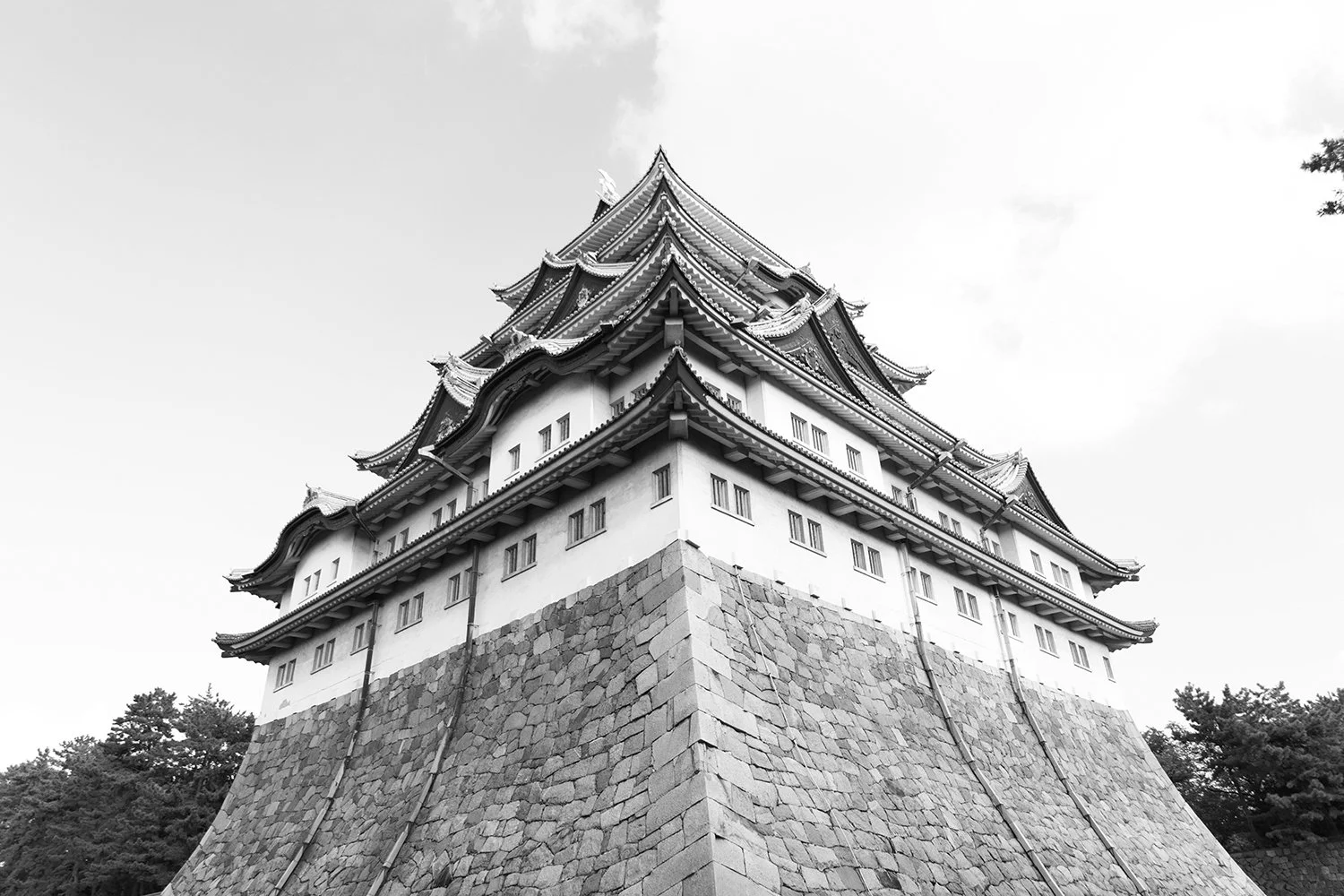
Location: Nagoya Castle, Nagoya, Japan, Year: 2026, Photographer: Ajani Charles
Recently, during a conversation with Canon Canada executive Kevin Ho, we discussed the fascinating relationship between Japan's extraordinary orderliness, politeness, predictability, and social cohesion and the geological instability and extreme weather it continually faces, including earthquakes, tsunamis, typhoons, volcanic activity, flooding, and landslides. This past summer, I experienced more wild weather fluctuations daily than I ever had before; I could have a morning of extreme rain followed by an afternoon of heat that surpassed 40 degrees Celsius with extreme humidity; Japanese summers are incomprehensibly hot and humid, and I would sometimes shower or bathe four times in a single day.
We agreed that the consequences of these inevitable disasters would be far worse if Japanese society were less coherent, prepared, and orderly, a point that became especially meaningful after I experienced two significant earthquakes within about 24 hours; and to be clear, the earthquakes were significant to me, but quite normal to most Japanese people.
As I mentioned before, the features that make Japan so attractive to me and millions of others can also make it difficult for residents; for many people, presumably millions, Japan is a tough place to live and work. Social conformity, rigid professional and social hierarchies, indirect communication, different forms of bullying, excessive working hours, bureaucratic complexity, and expectations of self-sacrifice can undermine autonomy, creativity, mental health, and economic opportunity, while demographic challenges and increasingly demanding immigration requirements create additional obstacles for Japanese citizens and foreign residents. Median wages are also quite low in Japan compared to other G7 countries.
I recognize that several aspects of Japanese society I find inspiring may feel restrictive to others across Japan and elsewhere. This is especially true for those seeking greater economic mobility, professional autonomy, direct communication, or freedom from social expectations, depending on their industry, motivations, social status, and social network.
Although Japan is extraordinarily safe, beautiful, efficient, and culturally sophisticated for the most part, it also maintains institutions and practices that impose substantial costs on individuals, making it essential to develop a realistic, enduring appreciation for the country.
Ikigai and New Horizons
One Japanese concept that has become increasingly meaningful to me is ikigai, often understood as one's reason for living; the people, pursuits, responsibilities, moments of mindfulness, and experiences that make life meaningful.
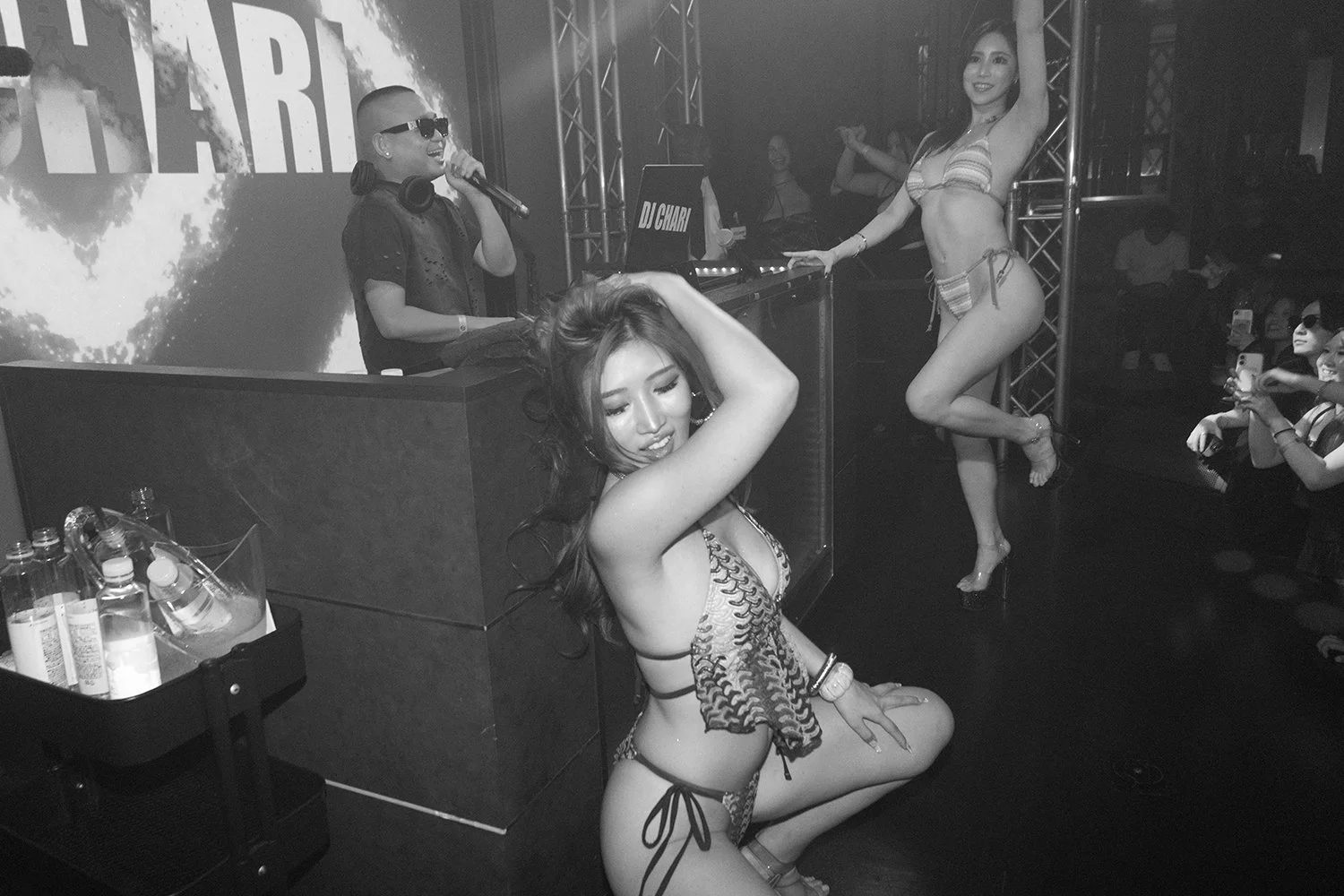
Recording Artist, Producer, DJ: DJ CHARI, Dancer: Misa, Dancer: Maaya, Location: R3 Club Lounge, Tokyo, Japan, Year: 2026, Photographer: Ajani Charles
Although I have long organized my life around ikigai, creative work, physical and psychological wellbeing, introspection, intellectual development, and meaningful relationships, no environment I have experienced has encouraged me to embody them as fully and consistently as Japan does.
Throughout the summer, I experienced an extraordinary alignment between the different facets of my life, as meaningful relationships and creative opportunities reinforced my professional ambitions, my artistic curiosity was constantly stimulated, beautiful gardens and shrines enriched my spiritual and meditative practices, and my interest in language, history, philosophy, and cultural exchange was strengthened through daily interactions; I was frequently physically exhausted but rarely psychologically depleted. I was more sociable than ever before.
This past summer reaffirmed my understanding that geography profoundly influences one's quality of life, because our physical, social, cultural, economic, and institutional environments shape our relationships, habits, ambitions, psychological and physical wellbeing, and potential (in all areas of life). It was a joy to live in a neighbourhood as beautiful, affluent, and lively as Roppongi in Tokyo for most of the summer.
Living and working in a misaligned environment can be devastating on multiple levels, while the opposite is equally true. Unfortunately, many people around the world will be stuck in environments and relationships misaligned with their goals and values for many reasons, including a lack of the economic resources needed to leave and a lack of introspection and courage.
I have little interest in maintaining attachments to environments or professional and social circles merely because they are familiar, especially after experiencing a country that consistently inspires me to become more capable, creative, disciplined, optimistic, and fulfilled.
Establishing a sustainable life and career in Japan (and other markets I am interested in) will require vastly more than enthusiasm and extraordinary memories. I will need to develop my Japanese language abilities, understand local professional practices, navigate immigration requirements, build durable business relationships, tolerate periods of boredom or monotony, and create meaningful value for Japanese artists, institutions, companies, and Japan as a whole.
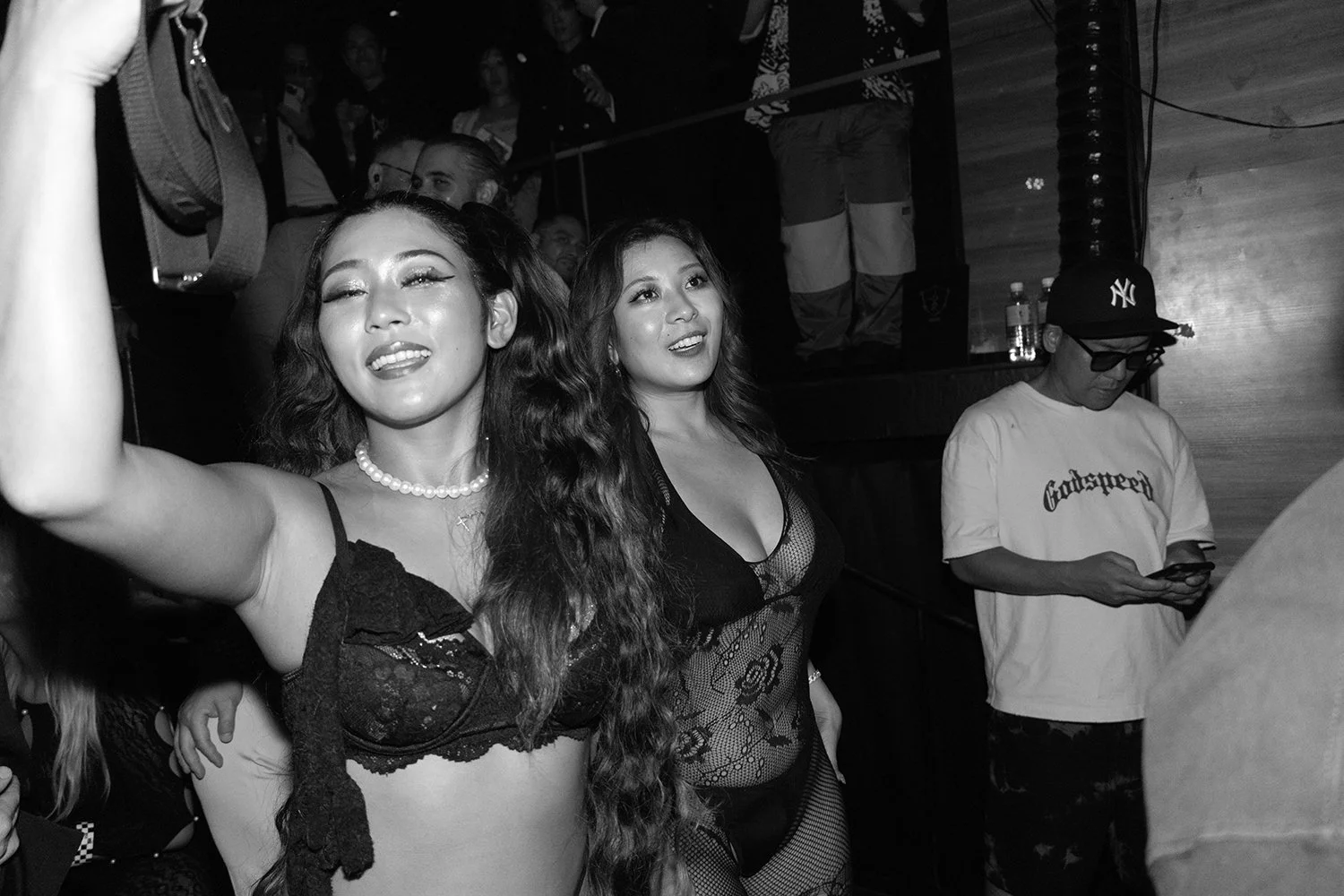
Dancer: Saya, Dancer: Aya, Location: 1 OAK Tokyo, Tokyo, Japan, Year: 2026, Photographer: Ajani Charles
It will also take me years to become accustomed to Japanese bureaucracy and the use of certain technologies that are now outdated or rarely used in the Western world; as futuristic as Japan is in many contexts, it uses technologies from the 1970s, 1980s, and 1990s in other contexts, in part to accommodate its rapidly aging population.
That said, I have far too many stories from my recent journey to fit into a single article. I have only recently started to recount the extraordinary encounters, artistic discoveries, conversations, relationships, challenges, and moments of reflection that defined the summer of 2026, which is why I intend to share considerably more through photography, filmmaking, writing, interviews, and different creative projects over the coming weeks, months, and years.
I will be editing the enormous volume of material I produced, while inevitably accumulating more during future visits to Japan. That is a problem I welcome.
My first journey to Japan in 2025 was defined by courage, discovery, and curiosity, while my second journey in 2026 was defined by an almost overwhelming abundance of artistic inspiration, meaningful relationships, creative productivity, my strongest work as a photographer, personal growth, and renewed clarity about my future. I suspect my third journey will be equally transformative.
I returned from this summer with far more than extraordinary memories, photographs, films, friendships, and professional opportunities: I returned with a clearer understanding of what I value, what I am capable of, and where I want to establish my future, because Japan has not simply changed how I see the world, but has fundamentally changed how I intend to live in it.
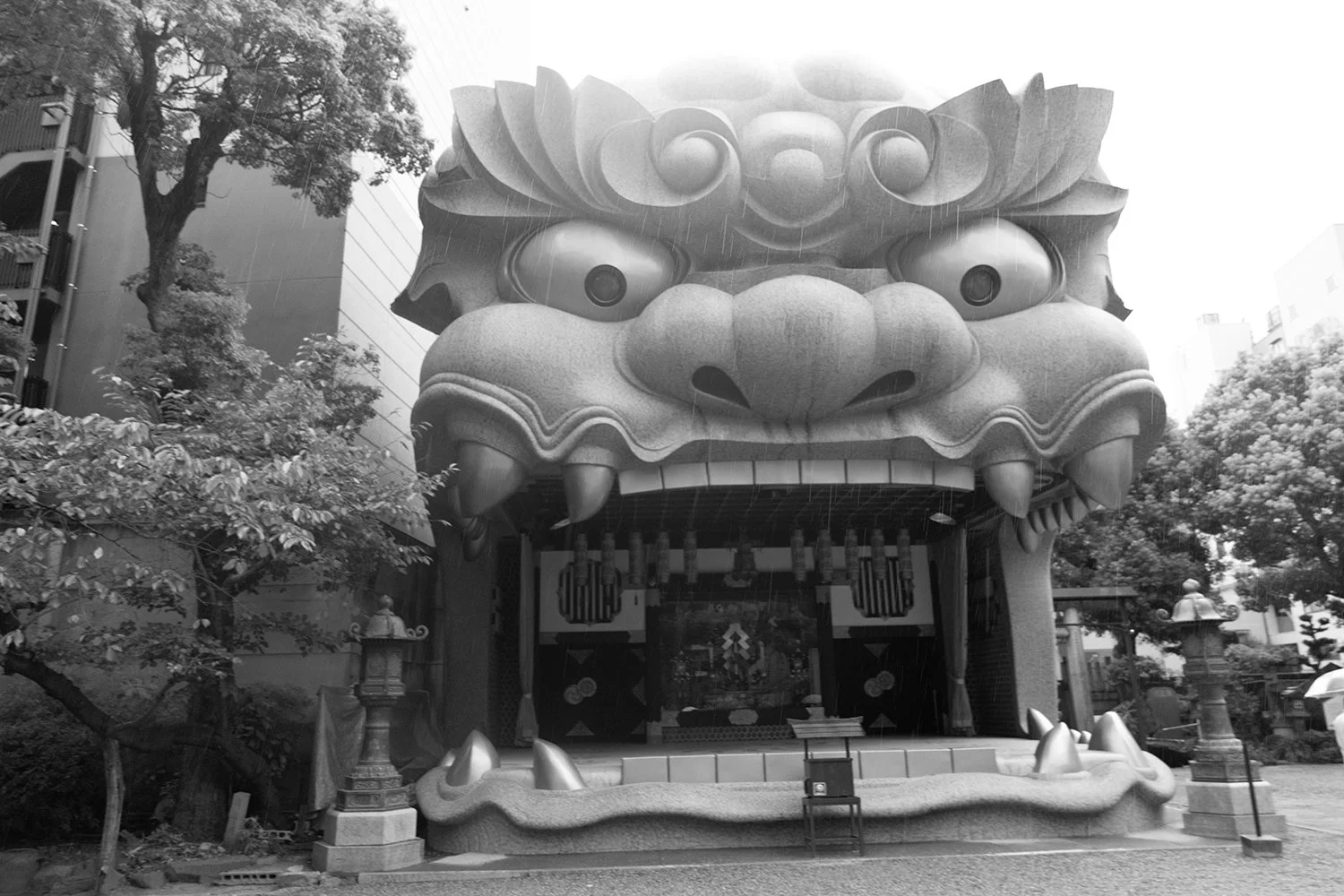
Location: Namba Yasaka Jinja, Osaka, Japan, Year: 2026, Photographer: Ajani Charles
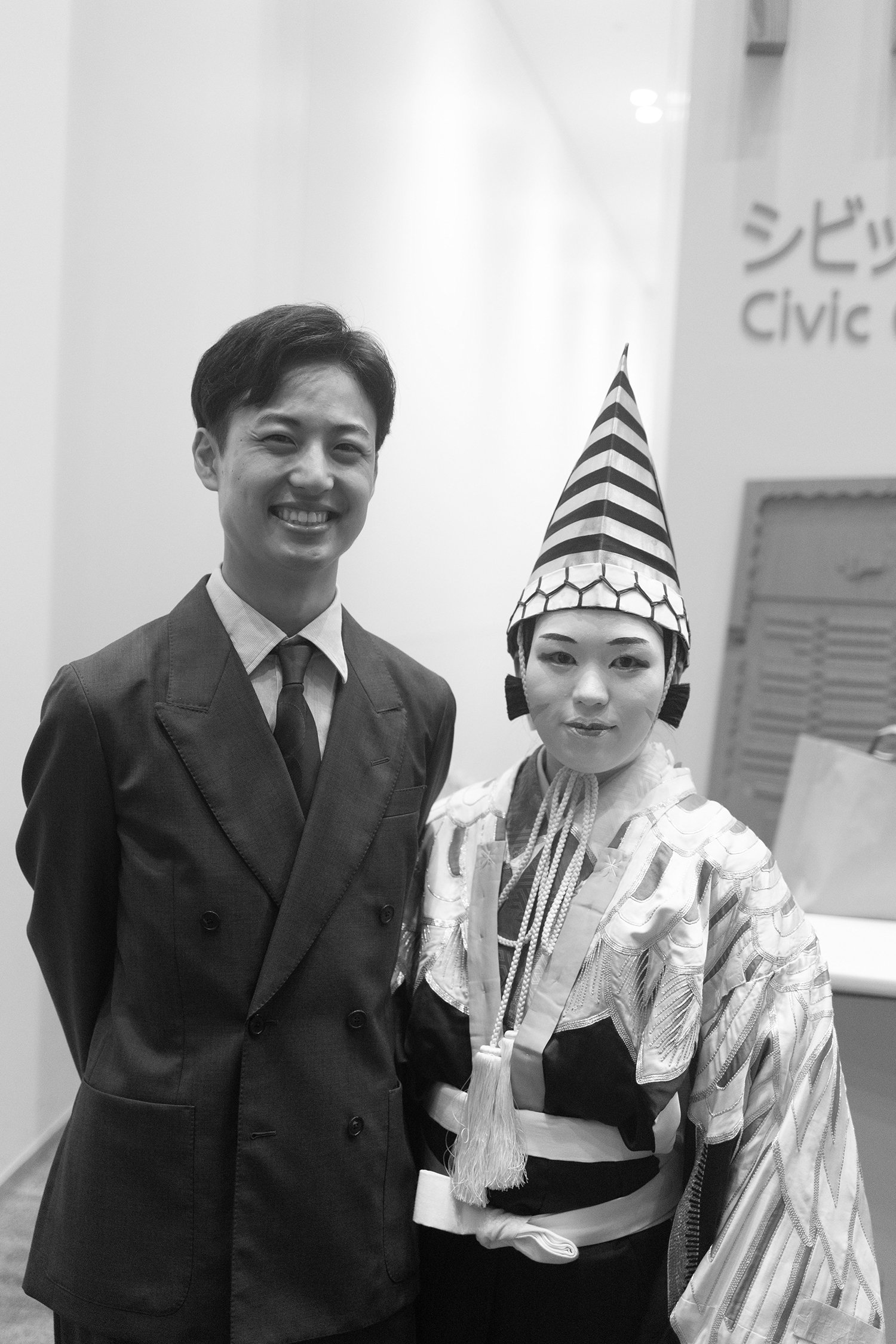
Dancer, Speaker: Wakako Arima, also known as Bando Kanjutane, Classical Pianist: Hibiki Hoshino, Location: Toyosu Civic Center Hall, Tokyo, Japan, Year: 2026, Photographer: Ajani Charles
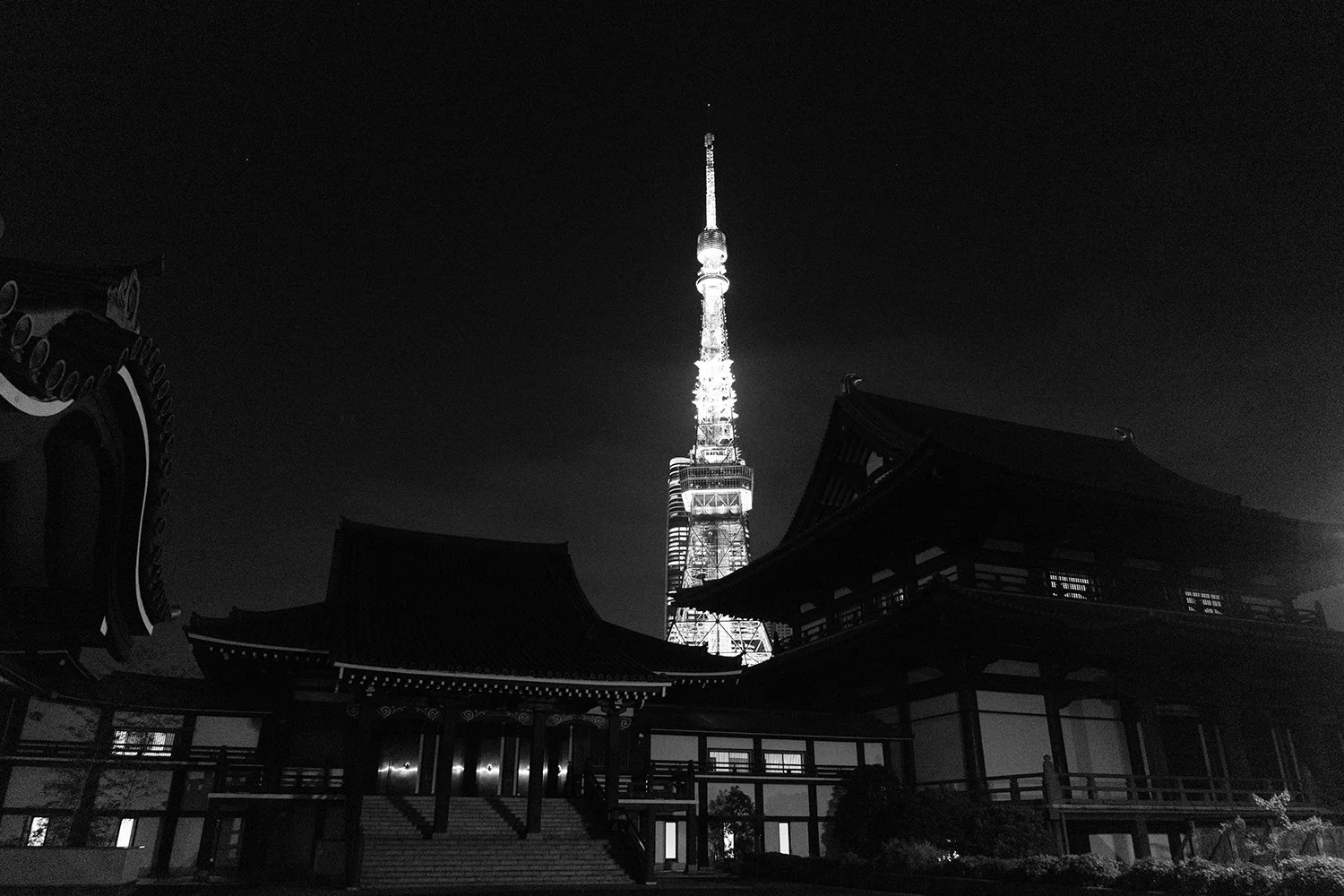
Location: Zojo-ji, Tokyo, Japan, Year: 2026, Photographer: Ajani Charles

Dancer, Recording Artist: $ugar also known as BigDollarDoll, Location: club asia, Tokyo, Japan, Year: 2026, Photographer: Ajani Charles
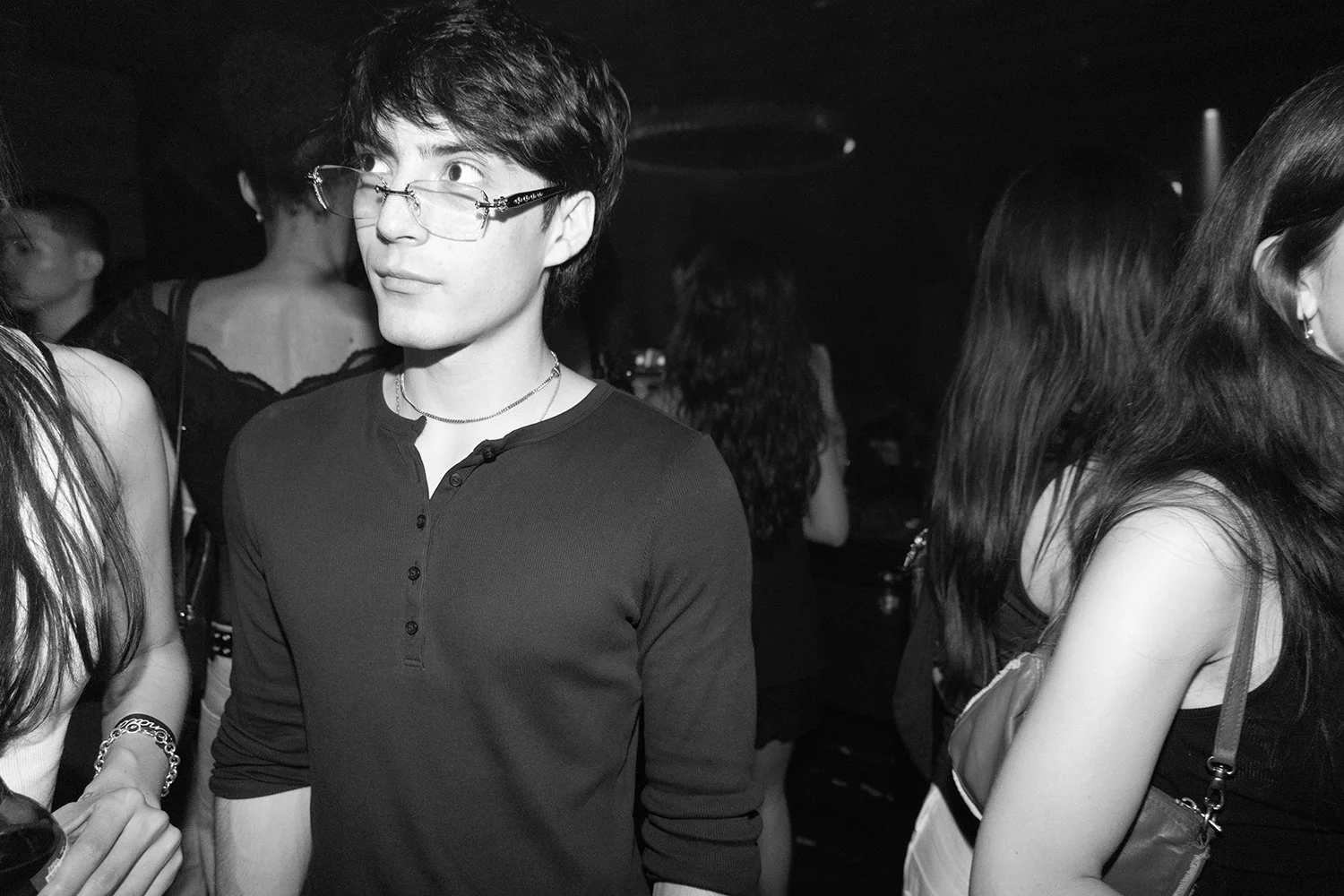
Street Interviewer and Content Creator: Kole Sims (Tokyo Sims), Location: 1 OAK Tokyo, Tokyo, Japan, Year: 2026, Photographer: Ajani Charles
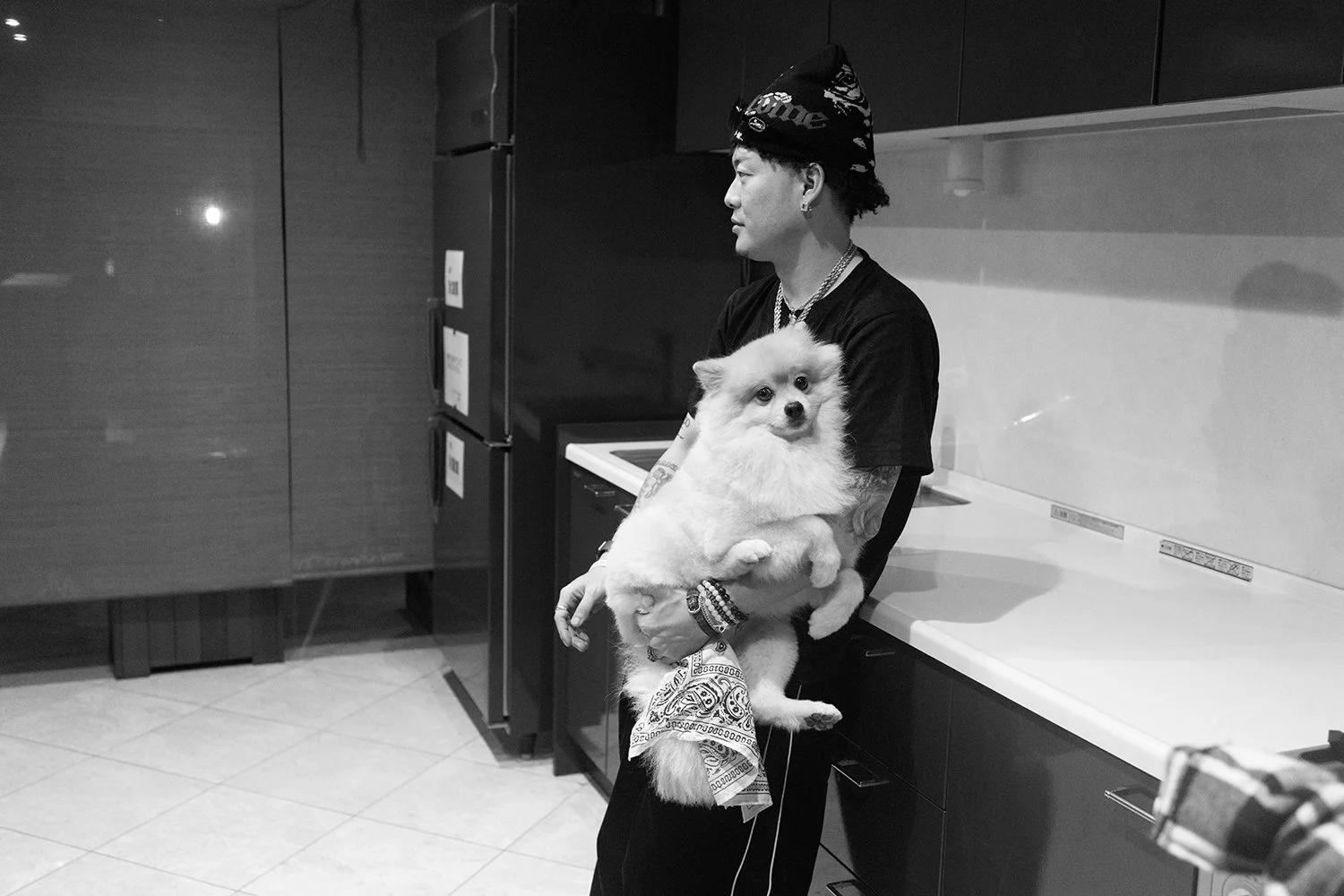
Recording Artist, Producer: Cz TIGER, Dog: Otaku, Tokyo, Japan, Year: 2026, Photographer: Ajani Charles
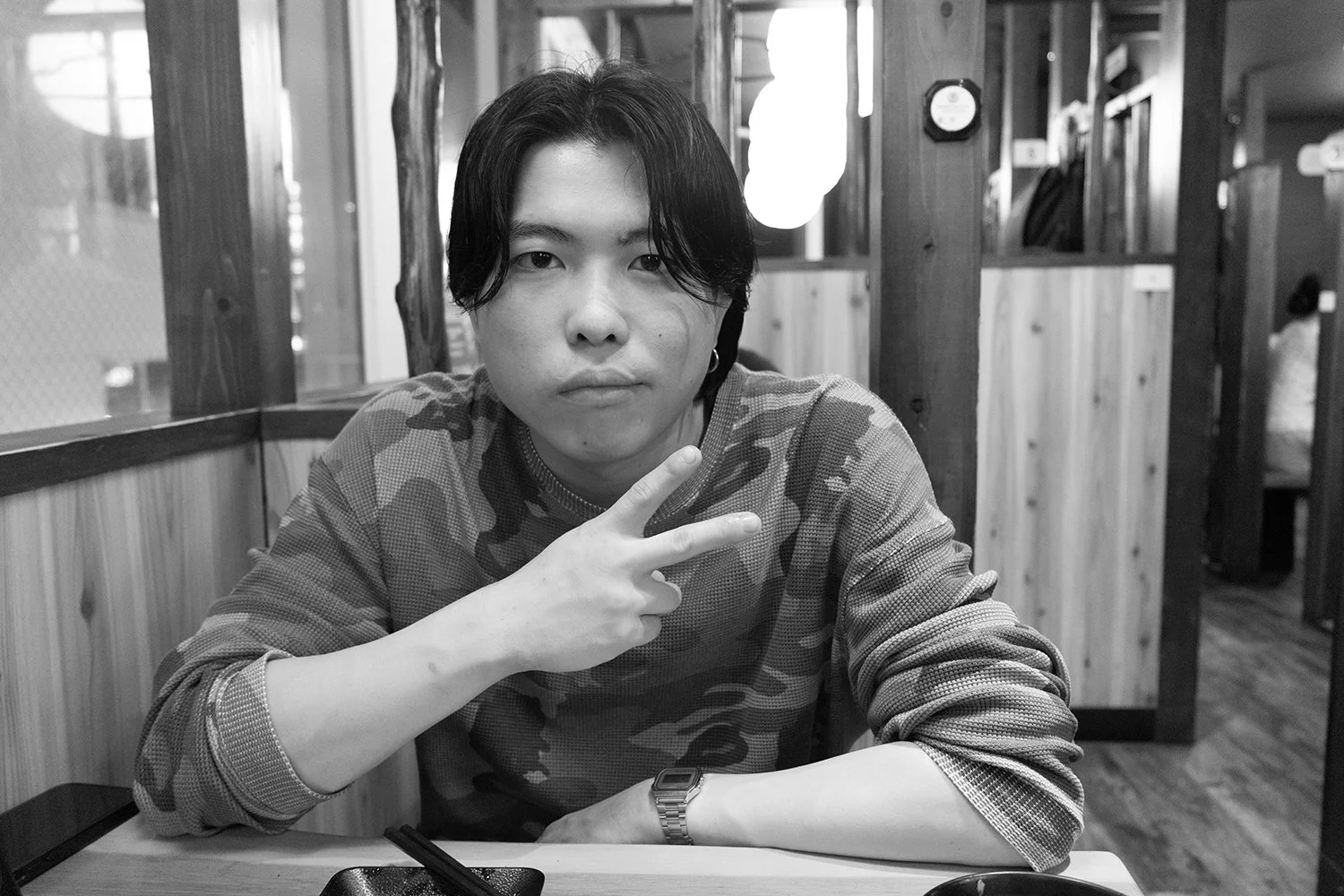
DJ: Yen, Location: Shibuya, Tokyo, Japan, Year: 2026, Photograher: Ajani Charles
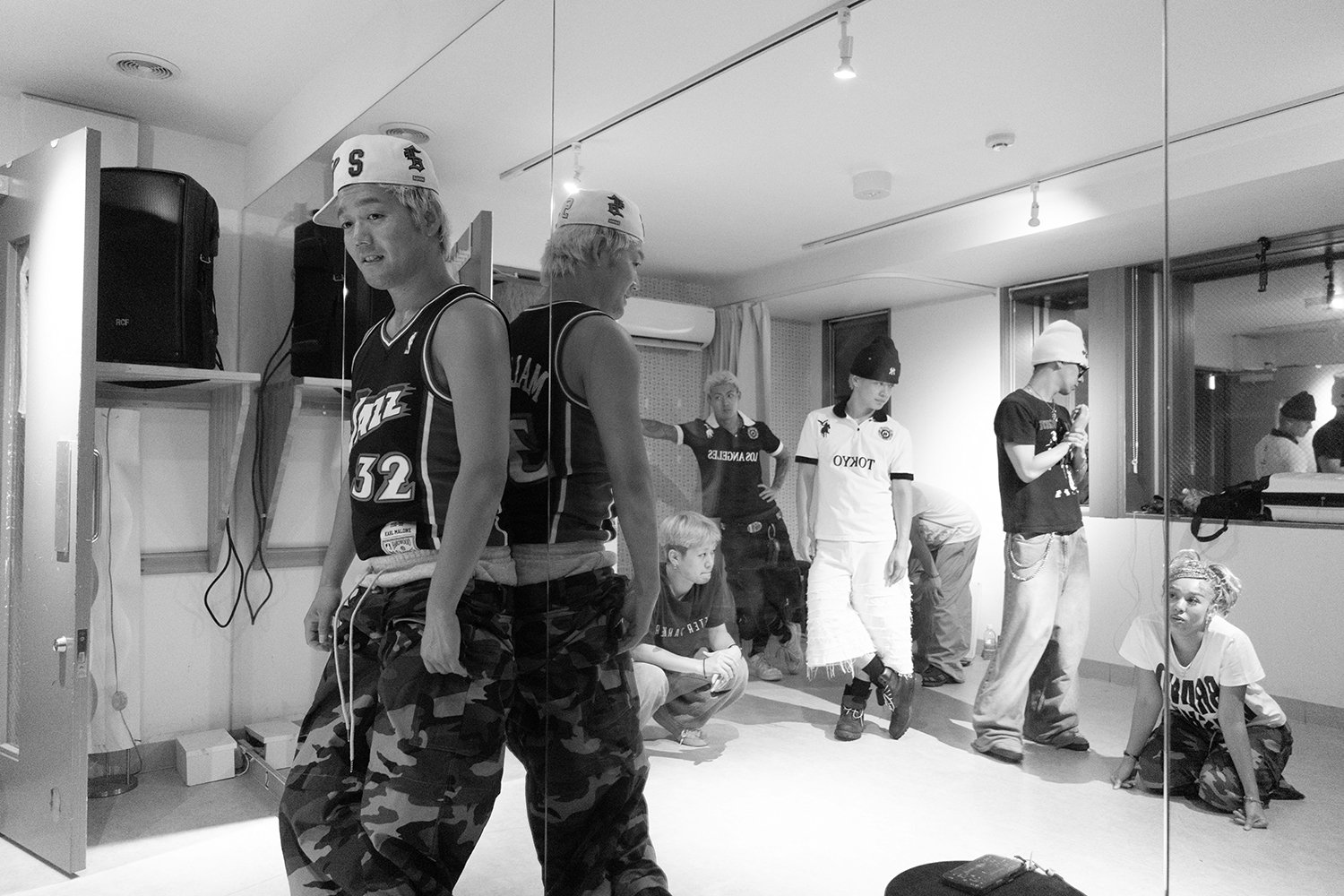
Dance Crew: THE SPC BOYS CLUB, Location: studio mission, Tokyo, Japan, Year: 2026, Photographer: Ajani Charles
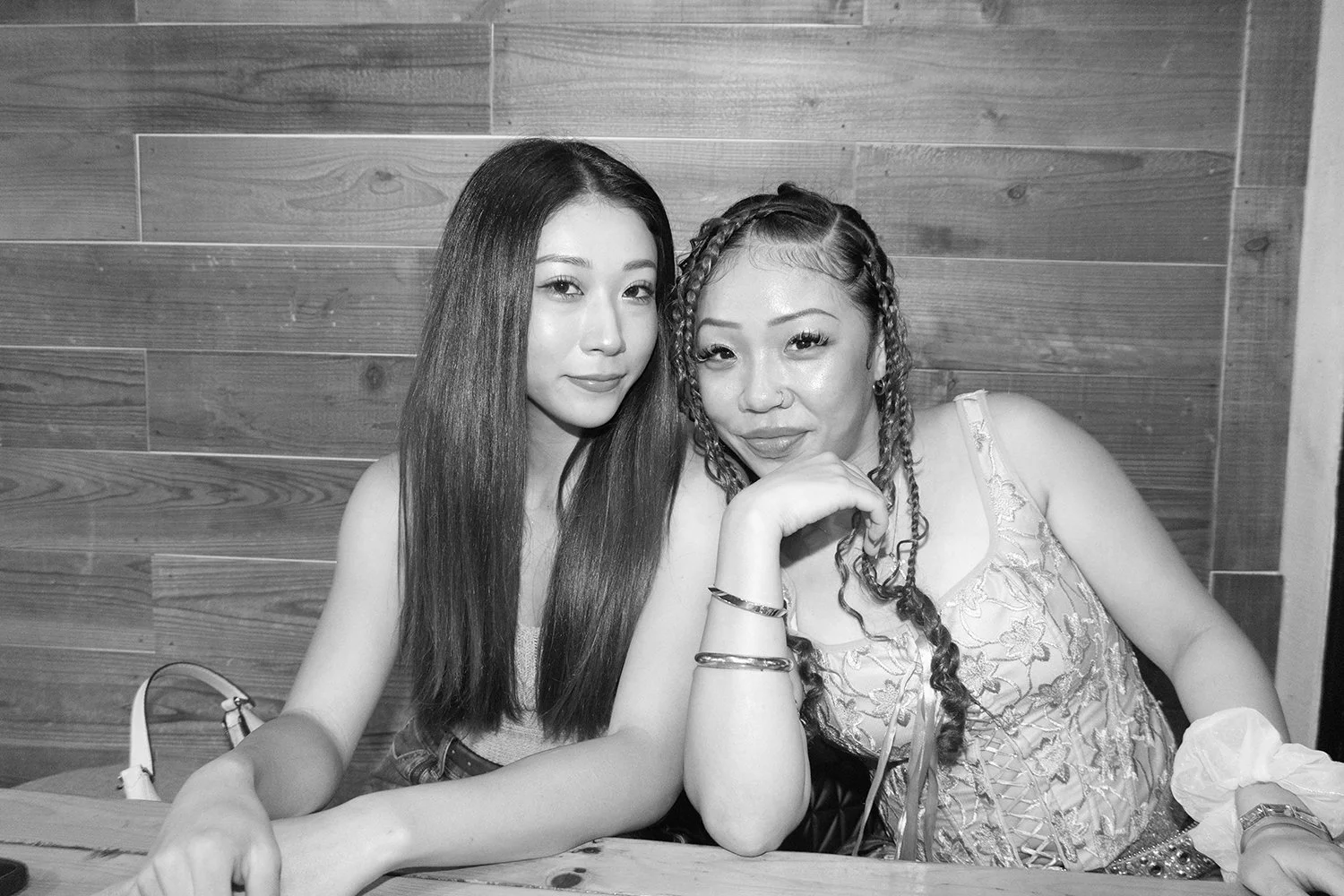
Dog Breeder, Dog Trainer, Entrepreneur: Ran, Recording Artist: Isuzu, Location: GOOD WOOD TERRACE, Tokyo, Japan, Year: 2026, Photographer: Ajani Charles
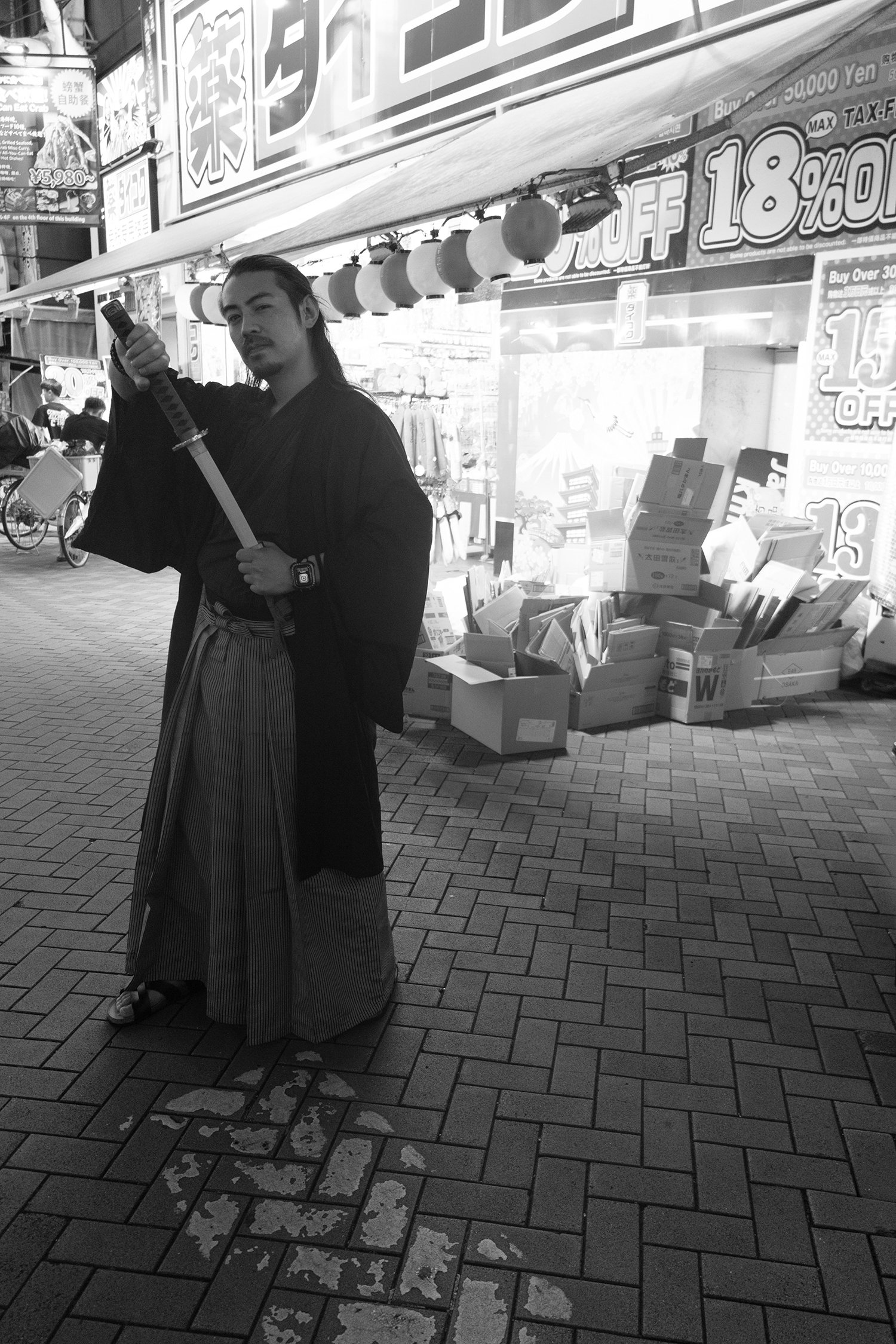
DJ: Bayyan Lita, Location: Dotonbori, Osaka, Japan, Year: 2026, Photographer: Ajani Charles
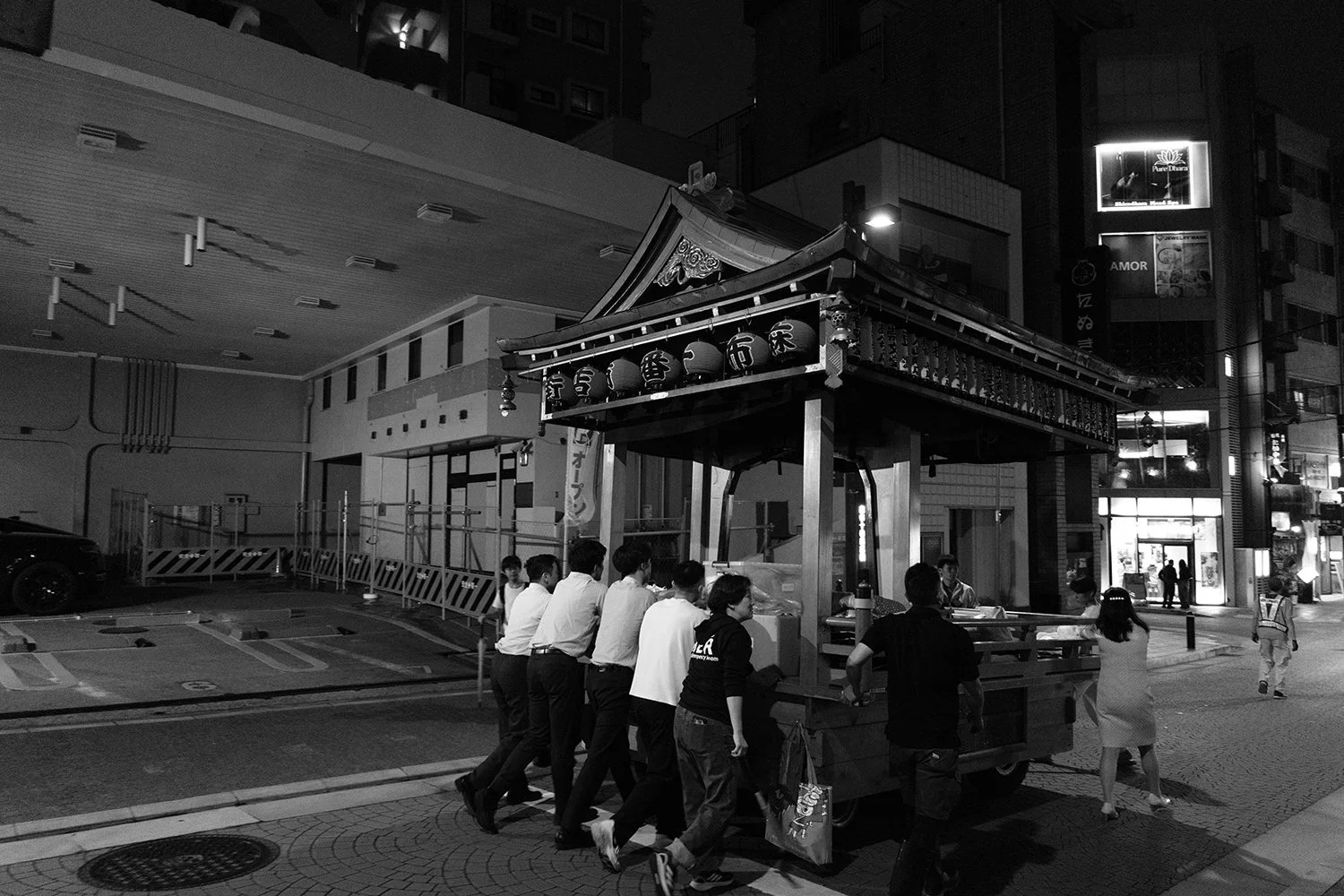
Location: Roppongi, Tokyo, Japan, Year: 2026, Photographer: Ajani Charles
